


Is It OK to Crate a Dog While You Are at Work?

By
Woofz Team Updated on |Reviewed by
Woofz TeamShort answer: A crate can work for part of your workday, but leaving your dog crated for a full 8- to 9-hour shift without a break is too long. So, is it OK to crate your dog while you're at work? It depends on how long you're away and how well your dog handles the crate time.
If you work from home part of the week, come home for lunch, or arrange a midday potty break, crating your dog for a few hours can be a good option. But leaving them crated for 8+ hours without a break isn't fair to your dog or good for their well-being.
How Long Can You Safely Crate a Dog?
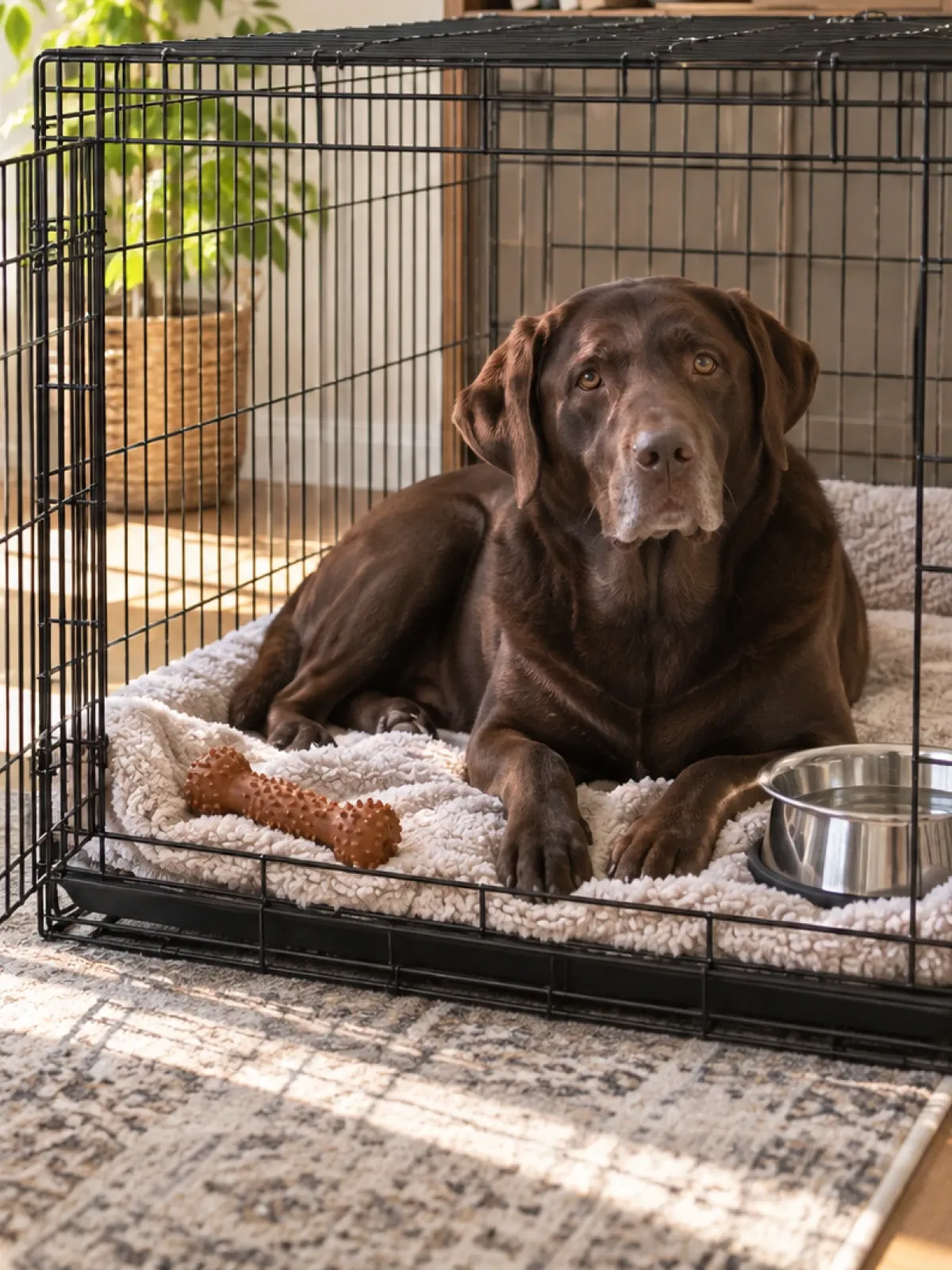
Trainers and shelter organizations draw the line at 4 to 5 hours for a crated adult, shorter for young puppies still in house training. The San Francisco SPCA tells dog owners to try to avoid leaving any adult dog in a crate for more than 4 to 5 hours at a time. The Peninsula Humane Society is more direct: if you work 8 to 10 hours a day, crating is not the answer because a dog should never be crated that long.
If you work from home or finish early, crating your dog for part of the day may work well.
How Long Can a Dog Hold It?
Bladder control is one important factor, but your dog's comfort and ability to settle in the crate matter too. PAWS Chicago's rule of thumb: the number of hours a puppy can be crated is their age in months plus one, so a five-month-old pup tops out around six hours. It is a rough guide, not a stopwatch. Night can usually buy a bit longer.
Practical limits by age:
- 8 to 10 weeks: 30 to 60 minutes in short periods
- 11 to 14 weeks: around 1 to 3 hours
- 15 to 16 weeks: 3 to 4 hours
- 17+ weeks pup: up to 4 to 5 hours
- Healthy adult dogs: 4 to 5 hours as a daytime cap
These are rough guidelines, not fixed limits. Puppies vary in how long they can comfortably wait, and younger pups need much more frequent breaks. Forcing a pup past these limits derails house training and makes the crate feel like punishment.
When Crating During the Workday Is a Good Idea
A crate used well is a resting spot your dog chooses, not a cage. Benefits:
- Protects your home from destructive puppy behavior while a new puppy learns what to chew.
- Supports house training by using the natural pull dogs have to relieve themselves away from where they sleep.
- Keeps a young puppy safe from cords, stairs, and anything else pets get into when humans are not watching.
- Gives anxious or over-stimulated animals a comfortable space to decompress.
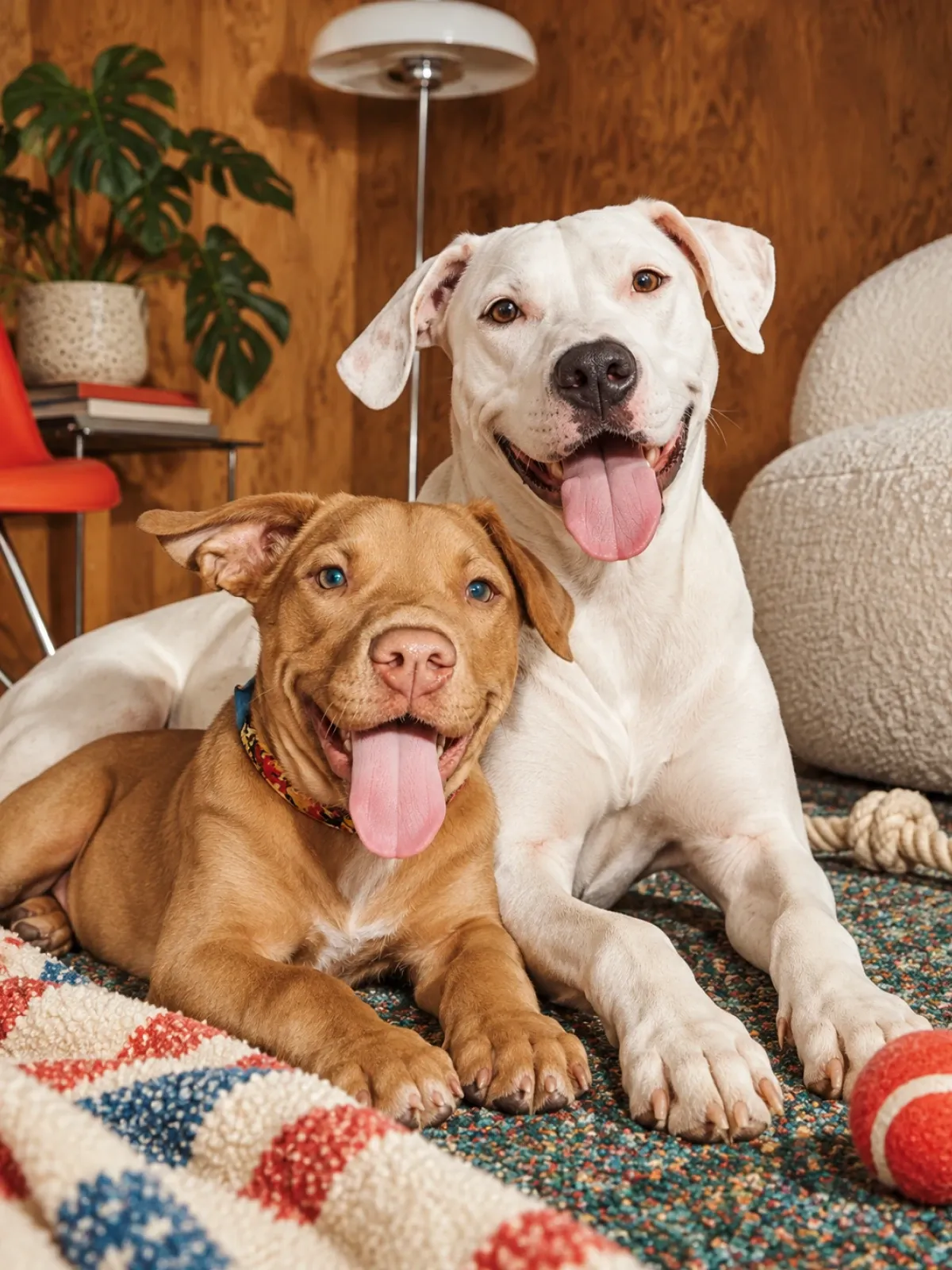
The American Kennel Club notes that dogs take to crates because the space mimics a den, and crating dogs helps potty training because they try not to soil their "home". Trainers use the crate for puppy naps and quiet-time breaks. Makes crate training easier.
When Crating During the Workday Is a Bad Idea
The crate stops being appropriate when:
- Your puppy is still learning bladder control and nobody can let them out every 2 to 3 hours.
- You are gone 8+ hours with no scheduled break.
- Your dog panics, scrapes at the crate, soils it, or shows stress every time you leave.
- Your dog shows signs of separation anxiety or distress when left alone. Crating can make things worse for some dogs, especially if they panic or try to escape.
- Your dog is sick, vomiting, or has diarrhea.
Crating dogs is not a fix for destructive chewing or barking from boredom. A puppy who tears up the house will do the same inside the crate. Putting more exercise, mental stimulation, and training into the day beats putting the puppy in a box.
Workday That Respects Crate Limits
The structure around the crate matters as much as the crate itself:
Morning. One potty, food, a 20 to 30-minute walk, a short training session, and one more trip outside right before you leave. You can also offer a safe chew if they're used to having one in the crate.
Midday. A dog walker, neighbor, or lunch break gives your dog a chance to potty, drink some water, stretch, and get some attention. One midday walk turns a 9 hour day into two 4 hour stints and lets your pup relieve the pressure from all morning.
Afternoon. Back in the crate, if your dog is comfortable with another short crate session, with a different enrichment item: a frozen Kong, a snuffle mat with kibble or wet food, or a safe chew.
Evening. Longer walk, play with toys, dinner, training, play with the humans in the house. The crate is not a substitute for the humans your dog lives with. If the dog sleeps in the crate at night, keep night and daytime routines different.
If you cannot build that rhythm, crating all day is not the answer.
Setting up a Crate Your Dog Will Use
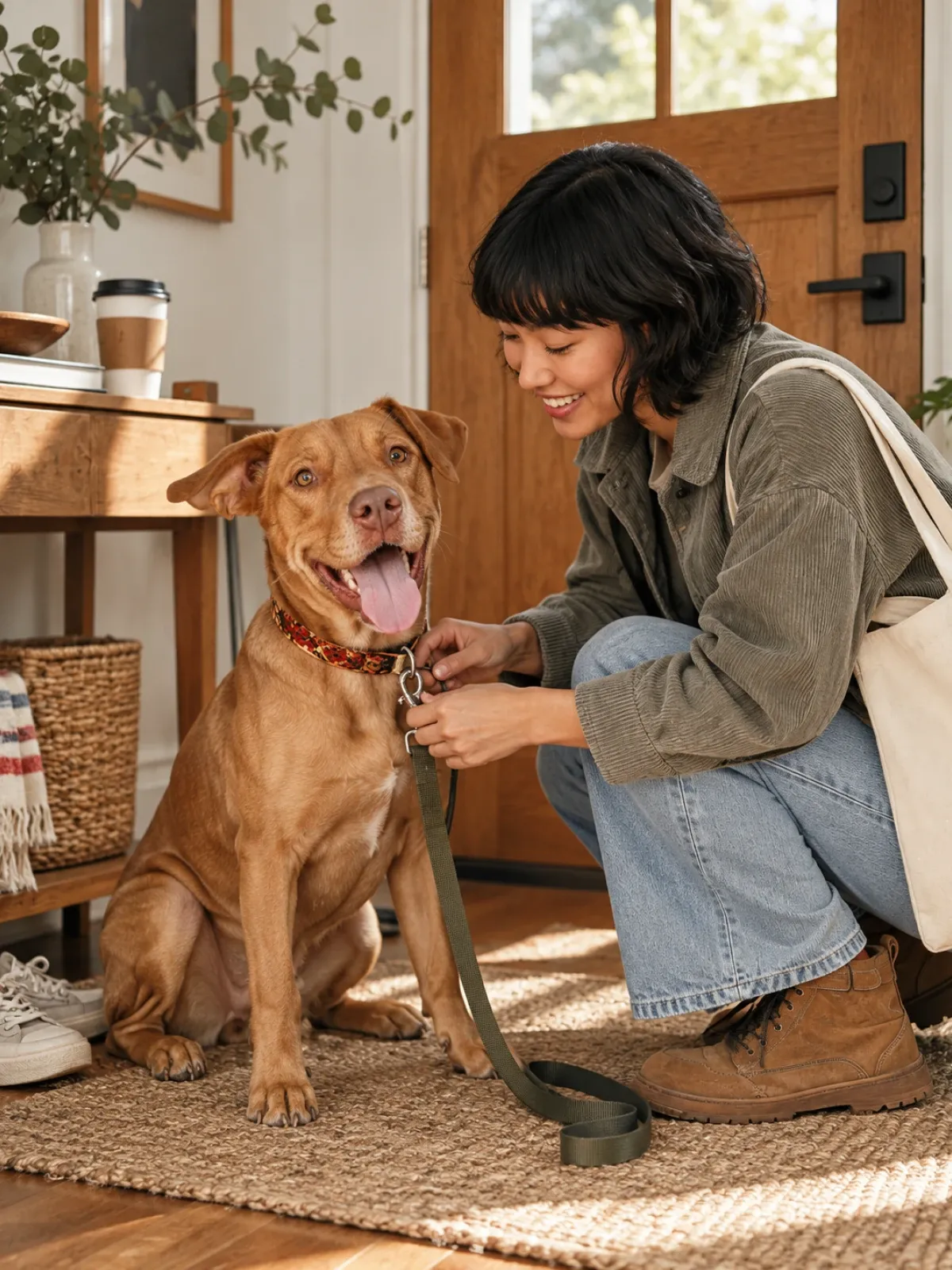
Size first. A properly sized crate is big enough for your dog to stand up, turn around, and lie down fully stretched out. Not much more. A crate that's much too large may give a puppy room to sleep at one end and potty at the other. A divider can help you adjust the space as they grow.
Placement second. Put the crate in a part of the house where the family actually spends time, not a dark basement corner. Dogs are social pack animals, and a crate off in a storage room reads as banishment. A puppy especially needs to see and hear their household. Of course, dogs that get overstimulated by foot traffic may prefer a quieter spot.
Inside the crate:
- A soft blanket or bed, unless your dog chews fabric. Then use something tougher.
- Fresh water. A spill-proof clip-on bowl works.
- Two safe toys and a long-lasting chew. Rotate the toys so it does not get boring.
- A worn t-shirt that smells like you helps a new puppy settle at night.
Never crate a dog wearing a collar with hanging tags or anything a tooth or paw can snag. Mention your setup to your vet if you have doubts, especially for senior pets. A high-value treat as your puppy walks in builds a positive association, and a second treat once they settle turns the crate into a safe haven where good things happen.
Signs Your Dog Is Not Coping With Crate Time
Trouble signals:
- Persistent whining or barking the whole time you are gone.
- Scraping, scratching, or biting at the crate.
- Peeing or pooping in the crate even after a proper potty.
- Panting, drooling, trembling, or dilated eyes right before you leave or when you come back.
- Destructive behavior inside the crate: tearing bedding, chewing bars.
- Any injuries, from a broken tooth to raw paws.
A pet camera is the simplest tool for this. Watch what your puppy does for the first 20 minutes after you leave. A little whining may happen during crate training, but watch whether your dog settles or continues showing signs of distress. Learn more about reading dog stress signals and, if you suspect separation anxiety, talk to a vet or a certified dog trainer. A good dog trainer spots things a camera misses.
Alternatives When Crating All Day Is Not an Option
Short of a career change, you still have options.
- Hire a dog walker to come once or twice a day. Even a 20-minute walk breaks the day up. - Doggy daycare works well for social pets who enjoy other animals and human interaction, including play with other dogs. Trial a day first and see if your dog comes home tired and content or wired and stressed. - A puppy-proofed room or pen instead of a crate. A larger exercise pen with a bed, water, toys, food, and a potty area gives older puppies and adult animals room to move without free roaming the whole house. - Supervised free roaming for adult dogs past the destructive-chewing phase. Many pets earn the right to roam freely over months, not days. - A trusted neighbor or family member who can stop by.
For dogs who are physically fine but mentally restless, enrichment is a quiet trick. See mental stimulation for your dog.
Start Crate Training Before You Need It
The worst time to start crate training is the first morning you leave for the office. Start on a quiet weekend. Prop the crate open, toss treats inside, feed meals there, close the door for a minute, then two, then ten, and work up to short departures while you stay home.
For a step-by-step process, see our crate training tips for puppies.
Never use the crate as punishment.
Getting your puppy used to short time periods alone can help them feel more comfortable when you need to leave.
Build a Routine Your Dog Can Live With
Woofz can help you build the everyday habits that make crate time easier, from setting a feeding schedule to practicing commands like stay and settle. Its personalized plan gives you simple things to work on, even when you only have 10 minutes between meetings. The goal is to make crate time one calm part of your dog's day, not the whole day.
Take the quick quiz to get a plan built around your dog's age, breed, and routine.
FAQ
When can you leave a puppy alone?
A young puppy can hold their bladder about one hour per month of age, up to around 8 hours as an adult. An 8 to 10 week old pup should not be crated more than 30 to 60 minutes at a time during the day. By 4 months you are closer to 4 to 5 hours. Some puppies start sleeping through the night around this age, but others still need overnight potty breaks. See how long dogs can hold their pee.
What are the signs that a dog is anxious?
Heavy panting with no heat trigger, pacing, whining, trembling, lip-licking, flattened ears, tail tucked, dilated pupils, destructive behavior, and inappropriate urination. In a crate specifically, watch for scraping at the door and distress that does not settle after 10 to 15 minutes. For more, see calming an anxious dog.
What can I do if my dog doesn't like being crated?
Start with gradual, positive crate training. Leave the crate open, toss treats inside, and feed your dog there to build a positive association. Then close the door for a few seconds at a time, gradually increasing the duration as your dog gets comfortable. Never use the crate as punishment. If your dog panics or continues showing signs of distress, don't force crating. Try a puppy-proofed room or exercise pen instead, and talk to a veterinarian or certified dog trainer if needed.
The bottom line
A crate works best when your dog is comfortable in it and doesn't spend too long inside. Make time for walks, potty breaks, play, and plenty of attention. Build the routine first. Then the crate becomes the part your dog likes.
Have you found a crate routine that works for your dog? Share your experience below. Your tips could help other dog owners find a routine that suits their household.
Sources
- American Kennel Club, A Beginner's Guide to Crate Training
- PAWS Chicago, Crate Training
- SPCA, Crate Training Your Dog (PDF)
- Peninsula Humane Society & SPCA, Cratetraining & Creating Your Puppy's Schedule (PDF)
- The Spokesman-Review, interview with Marny Nofi, Director of the ASPCA's Behavioral Sciences Team, Should you crate your dog? It's complicated