


4-Month-Old Puppy Schedule and Training Focus

By
Woofz Team Updated on |Reviewed by
Woofz TeamAt four months, your puppy is a different animal from the jelly bean you brought home. Adult teeth are coming in, adolescence looms, and the training habits from 8 and 12 weeks are being tested. Puppies at this age can push back. Some show a preview of the teen phase. This 4-month-old puppy schedule covers feeding, potty, training, and the four-week focus plan.
What Changes at 4 Months
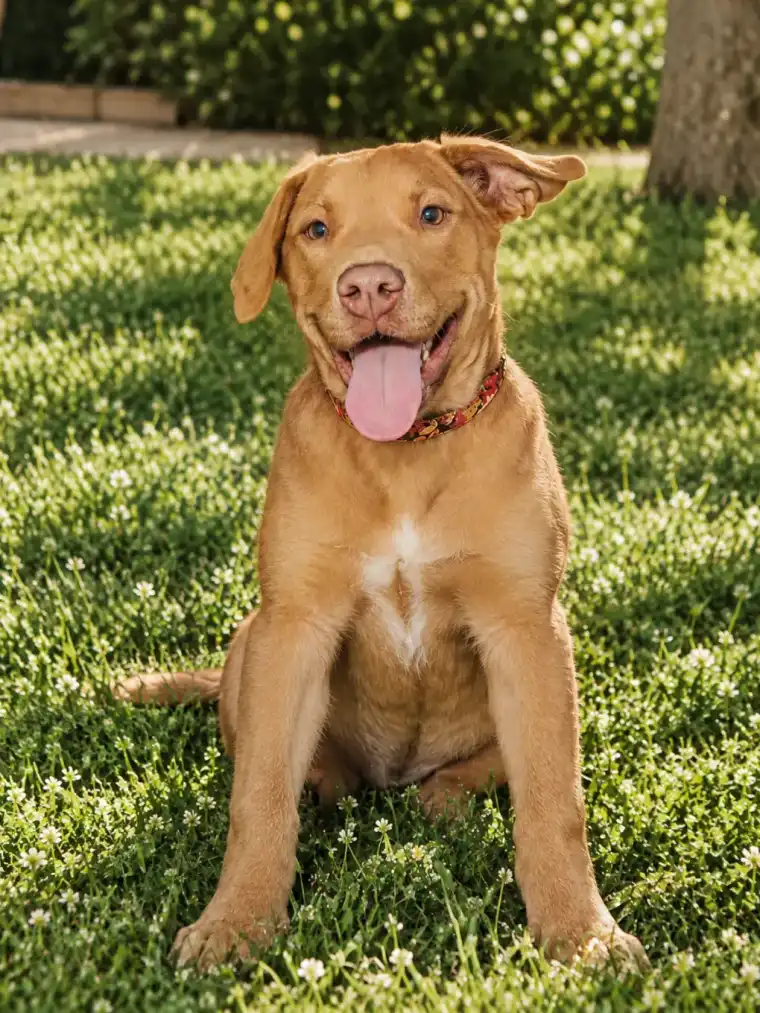
By four months, your puppy's brain and behavior are still developing rapidly. Their bladder capacity is improving, and sleep needs are slowly changing. Adolescence has not fully hit, but previews start showing up. You may see selective hearing and more independent behavior. Puppies at this age start looking at the world differently. The puppy's world expands.
If you are still working through the earlier stage, our 12-week puppy schedule covers that phase.
Physical growth
By four months, puppies are usually 50-70% of adult size, depending on the puppy's breed. Big-breed puppies land at the lower end. A toy or small-breed puppy may already be near full adult weight. Giant breeds still have plenty of growing left. Puppies grow fastest during these months, then growth gradually slows.
Sleep and bladder
A 4-month-old puppy may still need around 16 to 18 hours of sleep each day. Some owners see closer to 11 to 12 hours at night with the rest across day naps. Puppies at this age need enough naps between play sessions. Missed naps can show up as sharper puppy biting and grumpier evenings.
Many 4-month-old puppies can hold it for around four hours during the day.
Teething
Adult premolars begin erupting around this age. Puppy teeth are being pushed out by adult teeth. Chewing spikes. Puppies start hoarding chews. Biting on hands often returns. Tooth brushing is worth starting now as a handling habit. Regular brushing helps protect your puppy's dental health.
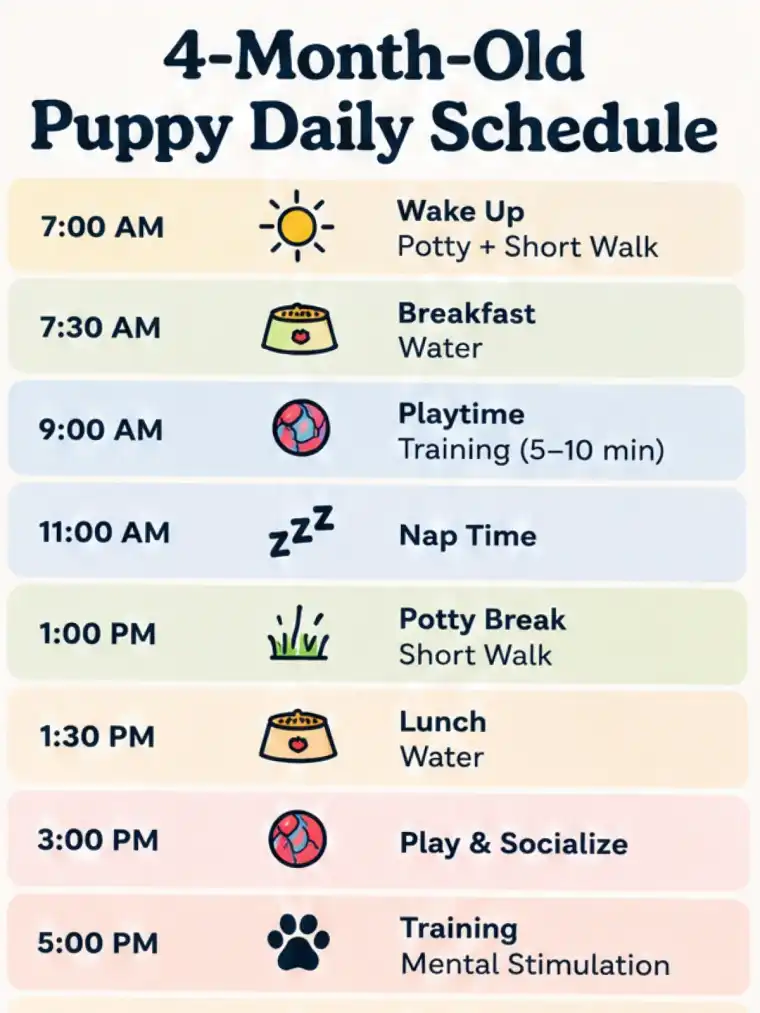
Sample 4-Month-old Puppy Daily Schedule
This 4-month-old puppy schedule template is not a stopwatch. Every puppy schedule needs a real-life sanity check in the first week. Keep the sequence, slide the clock to fit your family and your puppy's routine.
Time | Activity |
|---|---|
6:30 | Wake, first bathroom break, morning routine begins |
6:45 | Breakfast, then potty time ten minutes after eating |
7:15 | Short training session (5 to 10 minutes) on basic commands |
7:30 | Active play session in the garden or living room |
8:30 | Nap in the crate (60 to 90 minutes) |
10:00 | Potty break, calm chew, sniff walk |
11:00 | Nap time |
12:30 | Midday meal if needed or a lunchtime potty break |
1:00 | Short training session on recall or leash manners |
2:00 | Nap in crate |
4:00 | Potty break, leash manners on a short walk |
5:00 | Puppy classes or a controlled play session with other dogs |
6:00 | Dinner, then potty time |
7:30 | Wind-down: calm chewing, tooth brushing practice |
8:30 | Last bathroom break, into the crate for bedtime |
3:00 | Optional overnight bathroom break (many puppies no longer need this) |
The pattern to hold: wake, potty, feed, play, train, nap. Repeat. Puppies at four months thrive on that loop.
Morning Routine
Take your 4-month-old puppy outside for the first potty break of the day. Morning routine sets the tone. Puppies at this age have better overnight bladder capacity than at 12 weeks. Still the first potty break of the day cannot wait. Puppies here expect the same door and spot every time.
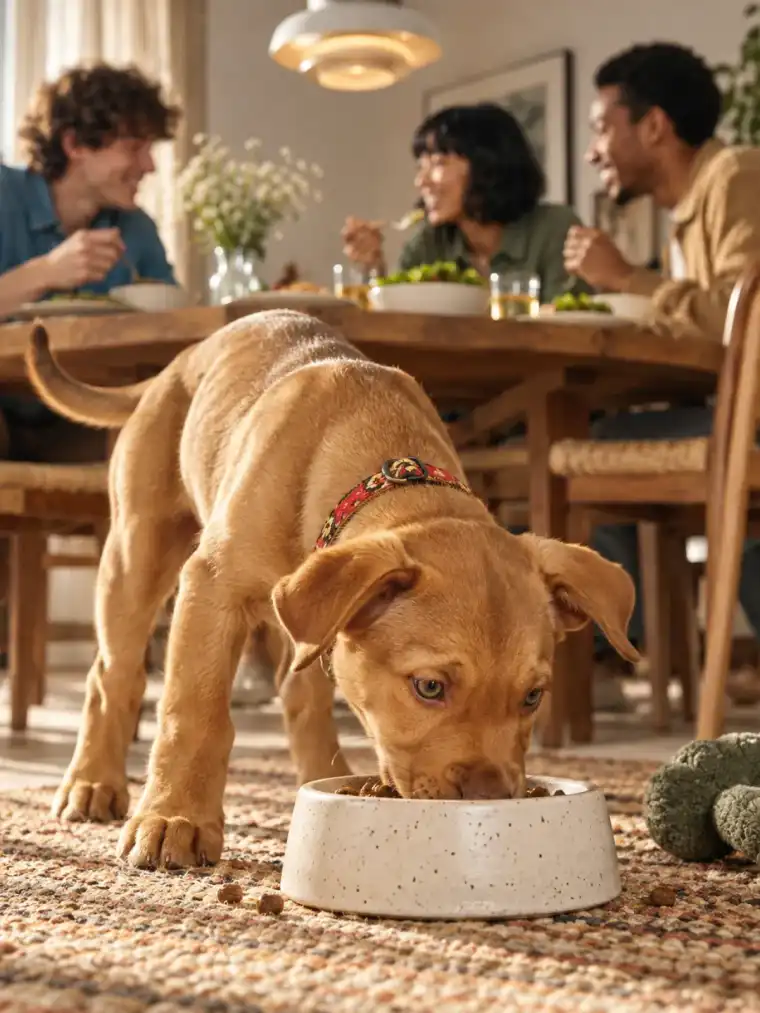
Breakfast follows on a consistent schedule, same bowl and spot as yesterday. After about ten minutes, bowl up. Head outside within ten minutes of the meal. Many puppies need to poop soon after eating. They also tend to drink more after a walk. Plan another potty break about twenty minutes after they drink.
Then do a five- to ten-minute training session. Focus on one command, like name response, sit, or recall. If you have not started training your puppy yet, start training now with a name game. Puppies at this age absorb one clean rep at a time. Keep sessions brief. End before the puppy gets bored.
Midday and Nap Windows
Between meals, alternate active play with nap time. Overtired puppies nip harder, ignore cues, miss signals. Enough naps prevent most of the evening "witching hour" chaos. Puppies at four months still need daytime naps just like at 8 and 12 weeks.
Middle of the day suits a longer training session on leash manners or a bathroom break in a busier spot. Then back to the crate for an afternoon nap.
If your household has meetings and school runs, plan so puppies get a nap window each shift. Puppies miss signals when they miss naps.
Evening and Overnight
Serve dinner three hours before bedtime for puppies at this age.
The witching hour shows up in the evening: zoomies, biting, barking. Overtired, missed nap. Fix is rest and calm chewing. If biting is a daily battle, revisit bite inhibition in the stopping puppy biting guide.
A steady bed time helps a four-month-old puppy consolidate sleep. Take one last potty break 10 to 15 minutes before bed. Many puppies at four months sleep through the night for 8 to 10 hours without an overnight trip. Some still need one late-night trip, especially smaller breeds.
Feeding Schedule at 4 Months
Feeding depends on puppy's breed and adult size. Puppies grow at very different rates. What fits a Chihuahua and a Great Dane looks nothing alike. Follow the AKC puppy feeding fundamentals for general guidance. Adjust the plan with your vet at the next check-in. Most puppies switch schedules once in these months.
Small breed puppies
Feeding frequency depends on your puppy's breed, size, food, and individual needs. Many small breeds (adult weight under 20 pounds) are ready for two meals a day around this age. Larger dogs usually stay on 3 meals longer. Mid-size dogs are between. Meals aligned with breakfast and dinner work for most small breeds. Weigh and check body condition weekly. Small breed puppies mature faster and reach full-grown weight earlier.
Medium, large, and giant breeds
Medium, large, and giant breeds continue on 3 meals daily at four months. The midday meal keeps energy steady for these puppies and supports proper growth. Move to 2 meals only when the vet confirms puppies are ready, usually near six months. The largest breeds may stay on three meals longer.
Feeding basics for every breed
-
Age-appropriate puppy food for breed size
-
Fresh water available throughout the day
-
10 to 15 minutes to eat, then bowl up
-
No free-feeding at this age
Puppies should not be free-fed at this age. Puppies eat what is in front of them. Free-fed puppies can get chubby easily. Scheduled meals let you predict potty time and log any accident inside as a signal. Puppies eat calmer when they know when the next meal is coming.
Potty Training at 4 Months
At this age, the potty routine is well set for most puppies. Most puppies hit fewer accidents now than they did during the first few weeks. When they do happen, they trace to missed signals or a stretched schedule. Adult dogs get more grace on this. Puppies do not.
The four-hour rule
Many 4-month-old puppies can hold their bladder for around four hours during the day. The AKC describes the one-hour-per-month idea as a rough potty-training rule of thumb.
How to structure potty breaks
Puppies usually need 4 to 8 potty breaks per day at this age. Roughly every 2 to 3 hours, plus a potty break after every meal, nap, play session, and chew. Take the puppy out immediately after meals for a potty break. Watch for signs like sniffing, circling, wandering away, or suddenly stopping play.
Handling accidents
An accident inside at four months is usually a signal you missed, not a regression. Puppies still miss cues. Log the time, shorten the interval, increase supervision. If accidents keep piling up, revisit our puppy potty training guide, or get professional help from a certified trainer.
Training Focus at 4 Months
Training at four months is where the foundation from earlier weeks gets tested. Selective hearing shows up in most puppies. Cues that worked at 12 weeks might get ignored. Stay consistent. Reward good behavior every time. Short, regular training now helps build good habits that last.
Short training sessions of 5 to 10 minutes, three to five times a day, beat one long block. Keep sessions short enough to stay engaging. Puppies also need a pause between reps. Positive reinforcement remains the method: treats, praise, calm play. Reward the try. Training sessions before a meal work well because puppies pay more attention when hungry.
The Four-Week Focus Plan
Split the next four weeks into one clear training focus each. Turns vague "keep training" into measurable work.
Week 1: Rebuild attention
Play name-recognition games. Say the name. Reward the head turn within a second. Kitchen, then garden, then a quieter street. Attention is the foundation everything else sits on. Puppies pick this up in a few reps. Our how to teach a dog their name guide has the steps.
Week 2: Recall on a long line
Move recall from indoor rooms to outdoor space on a long training line. Say the recall word once. Reward heavily with high-value treats when puppies come. Avoid using recall only for things your puppy dislikes, like baths or nail trims. Recall built now pays off at 9 months.
Week 3: Leash manners
Practice loose-leash walking near home. Stop walking whenever the leash tightens. Reward slack leash with treats. This is where new puppy owners sometimes get lazy after the excitement fades, and where puppies at this age start pulling. Our leash training guide covers loose-leash steps.
Week 4: Settle, door manners, and real life
Teach settle on a mat. Add door manners: sit before the door opens. Bring training into real life at low intensity for puppies. A visitor at the door. A jog past the house. Someone dropping cutlery. Real life, not drills.
Socialization at 4 Months
The main socialization window is winding down, but keep giving your puppy good new experiences. Keep introducing new people, places, sounds, surfaces, and friendly dogs at a pace your puppy can handle. Adult dogs from now on see the puppy as a young adult. Pick calm dogs.
Post-vaccination exposures
Once fully vaccinated, safely widen exposures. A common goal: introduce your puppy to 90 different situations by 14 weeks (the classic Dr Ian Dunbar target), then keep going. Once your puppy is fully vaccinated, you can widen their experiences more freely. Choose healthy, friendly dogs and avoid unknown dogs or high-risk areas.
Socialization sessions should be controlled to build calm confidence in puppies. Short positive exposures beat long overwhelming ones.
Puppy classes
Puppy classes improve social skills and reduce anxiety when reward-based and well-run. Look for classes that split by age and manage play.
Our puppy socialization guide has the full checklist.

Play, Exercise, and Mental Stimulation
Exercise at four months is about mental stimulation for puppies as much as physical activity. Puppies are still growing, so avoid excessive high-impact or repetitive exercise. No long runs on hard ground, no repetitive fetch, no jumping off furniture. Puppies of large breeds need extra care with exercise while their skeletons are developing.
Sniff walks, food puzzles, and short training sessions count as mental exercise. A real-life exposure walk can be just five minutes on a busier street. That can build confidence without a long park loop. Puppies benefit from short play time indoors between exposures.
For pace and duration by dog age, our dog walking routine grows with your dog. Puppies need less distance than their energy suggests, unlike older dogs.
Crate Training and Rest Habits
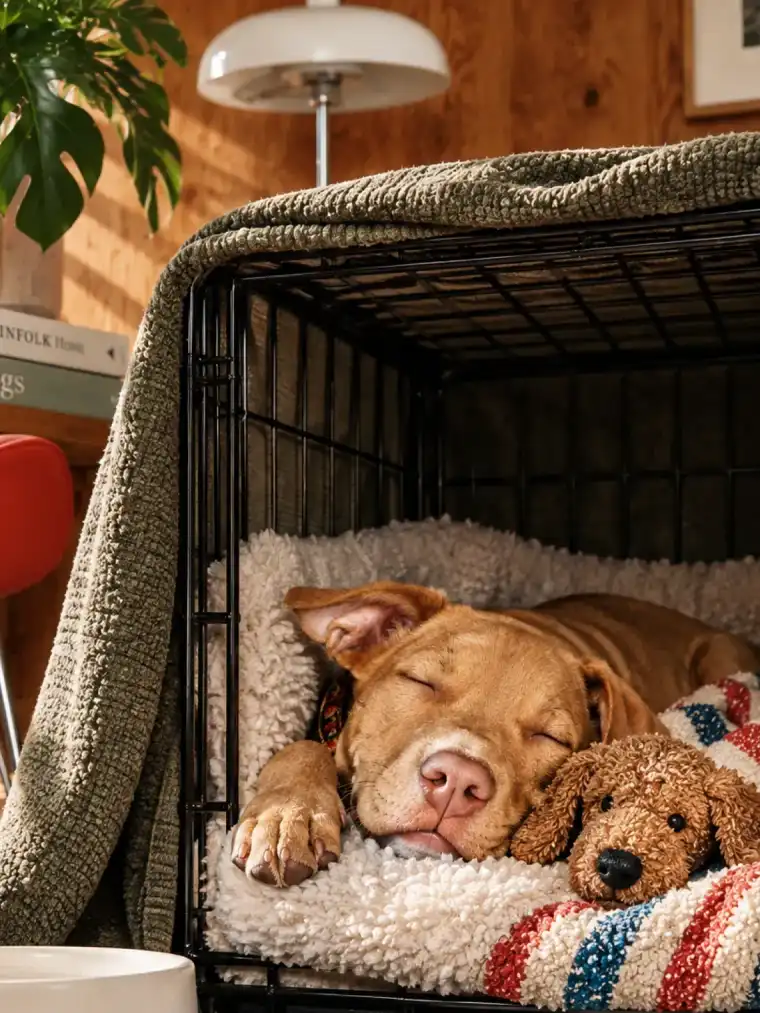
The crate is still a rest tool, not punishment. If you started crate training early, most puppies settle in without much protest by four months. Continue using the crate for daytime naps and overnight sleep. Some puppies settle better when the crate feels quiet and sheltered. Rewarding calm behavior in the crate with a chew reinforces the habit. Puppies learn faster from what earns a treat than what stops one.
A four-month-old puppy still needs daytime potty breaks and interaction. If both adults work outside the puppy home, arrange a lunchtime bathroom break. You can also ask a neighbor or hire a dog walker. Our crate training guide has the setup.
Teething and Biting
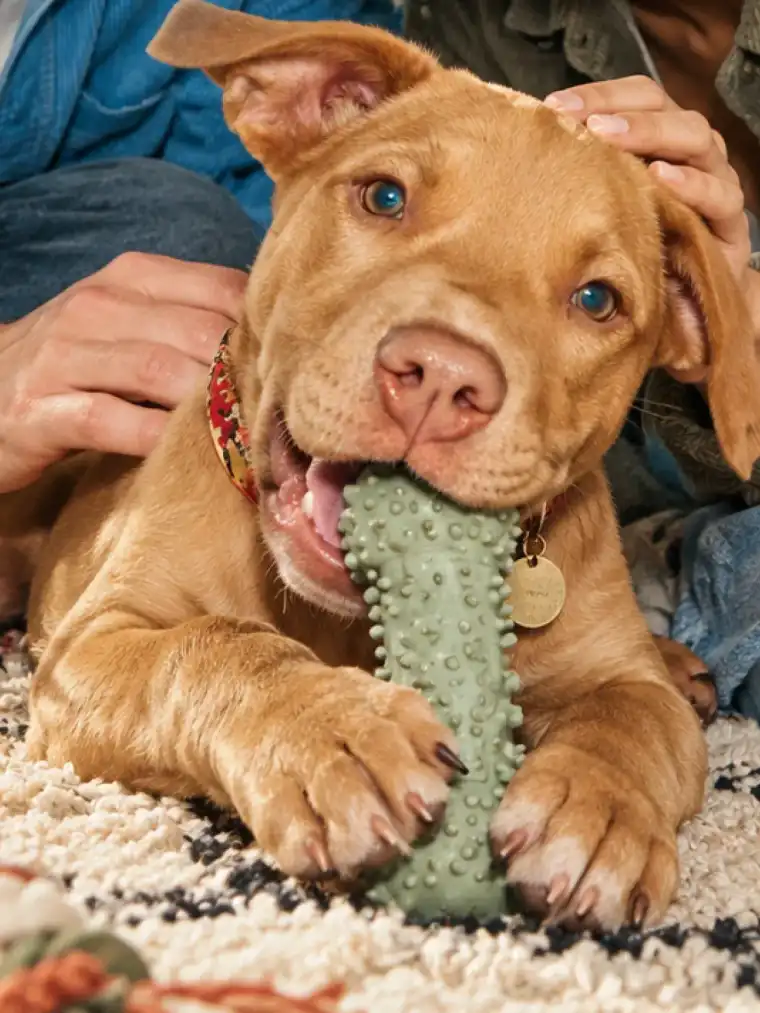
Adult teeth are erupting for puppies. Biting spikes as the puppy notices sore gums. They chew for relief. At this stage, they chew far more than at 12 weeks. Frozen chew toys, wet washcloths in knots, and rubber teethers give puppies a legal outlet.
Redirect play biting from puppies with a calm "ow" and offer a chew. Never scold hard. Harsh scolding won't teach your puppy what to do instead. This is normal, not unwanted behavior. Puppies at this age lose interest in a chew quickly, so rotate them every few days.
Tooth brushing at this age builds a habit that prevents dental disease later in puppies. Start gently with treats. Daily brushing beats occasional deep-cleans.
Common 4-Month Challenges
At four months, puppies often start testing old routines as they get more curious and independent. These three challenges pop up a lot at this age.
Adolescence starts to show
Some puppies show adolescent behaviors as early as 4 months; peak is later. Testing boundaries is normal for puppies, not disobedience. Puppies push back on cues they knew last month. Stay consistent with the routine.
Selective hearing
Cues that worked reliably at 12 weeks may get ignored. Puppies do not lose training. They test it. Do not repeat the cue. Increase the reward, reduce the distraction. Rebuild attention first, then re-add the cue.
When to seek professional help
Persistent potty regression, escalating aggression, or worsening fear warrant professional help. Look for a certified positive-reinforcement trainer or a veterinary behaviorist. Early intervention saves months of remedial work. Puppies at four months are highly trainable, so early help can prevent small issues from becoming bigger problems.
How the Schedule Shifts From Here
Your 4-month-old puppy's schedule is one stepping stone through the life stages ahead. A four-month-old puppy who follows this pattern usually sails into month five without drama.
-
5 months: two meals for many breeds. Longer awake windows. Sleep drops toward 14 to 16 hours.
-
6 months: twice-daily meals for nearly all breeds. Bladder waits 4 to 6 hours. Sleep drops toward 12 to 14 hours.
-
9 months: adolescence peaks. Consistent training pays off. Recall may temporarily disappear as many young dogs test boundaries.
-
12 months: small breeds close to full-grown. Large and giant breeds still growing.
Any 4-month-old puppy schedule loosens as your puppy grows, but the pattern of routine, rest, and play holds. Adult dogs run on twice-daily meals and a walk or two. Puppies get there.
Answers to the Most-asked Questions
What month is hardest with a puppy?
Many owners say months 6 to 9 are the hardest. Adolescence peaks, previously reliable cues wobble, energy spikes, testing behaviors are common. Puppies push harder here than as a young puppy. Four months may feel easier, but early adolescent behaviors can already start showing up.
How much bigger will a puppy get after 4 months?
Depends on puppy's breed. Puppies grow at different rates by breed and individual. Small breeds are usually much closer to adult size by four months than large or giant breeds. Large and giant breeds have much more growing left to do.
What should a puppy be doing at 4 months?
By four months, many puppies are working on skills like these: name response, sit, and recall on a long line. They can also practice loose-leash walking in quiet spaces and settling in the crate. Potty training should be coming along as well. Adult teeth are erupting. Adolescence is on the horizon for puppies at this age. Many puppies can hold their bladder for around four hours during the day.
What time should a 4-month-old puppy go to bed at night?
A consistent bedtime between 9 and 11 pm works for most households. Exact time matters less than consistency for puppies at this age. Aim for 8 to 10 hours in the crate overnight and dinner three hours earlier.
Where Woofz Fits In
A schedule on paper is easy. Sticking to it (when to feed, potty, train, nap) is where most new puppy owners drown. That's especially true between 12 weeks and 6 months. Puppies raise the difficulty as their brains grow.
Woofz gives your puppy a personalized daily plan, a lesson library of basic commands and behavior work, and a training schedule that fits between meetings and school runs. Training, care, and guidance in one app for the whole puppy's routine.
For a schedule that fits your furry friend's breed, age, and real life at home, take the free Woofz puppy quiz. Two minutes.
Small habits, done daily, turn four months of testing into a settled young dog. Puppies pay you back in the second half of the first year. Your puppy will not be perfect. Your schedule will not be either. Both will get there in the end.