


How to Stop a Dog Peeing in the House: Causes, Fixes, and When to Call the Vet

By
Woofz Team Updated on |Reviewed by
Woofz TeamFew things rattle you like finding a warm puddle on the rug. Your house-trained dog seems to have forgotten the rules.
A dog peeing in-house almost never means defiance. It is a signal: medical, stress, or training.
Key Takeaways
- Sudden peeing in the house for a house-trained dog usually points to a medical issue. Book the vet first.
- Common medical issues: UTIs, bladder stones, diabetes, Cushing's, hormone disorders, urinary incontinence, and in intact dogs, pyometra.
- Behavioral issues: incomplete house training, dog's anxiety, submissive urination, scent marking, bad weather avoidance.
- An enzymatic cleaner removes the odor; ammonia-based cleaners may lead your dog back. Rebuild the routine with potty breaks and rewards. Avoid punishment.
Where to Start: Sudden or Ongoing?
Before you redo house training, work out the problem. Did it start suddenly? Peeing more often or bigger amounts? Blood, straining, dribbling? New baby, new pet?
Sudden urinary accidents in a reliable dog usually lead to the vet. Peeing in the house since day one likely points to a training gap, especially in a young puppy or newly adopted dog. Our puppy potty training guide covers foundations; the adult retraining guide handles restarts.
Why Your Dog Is Peeing Indoors
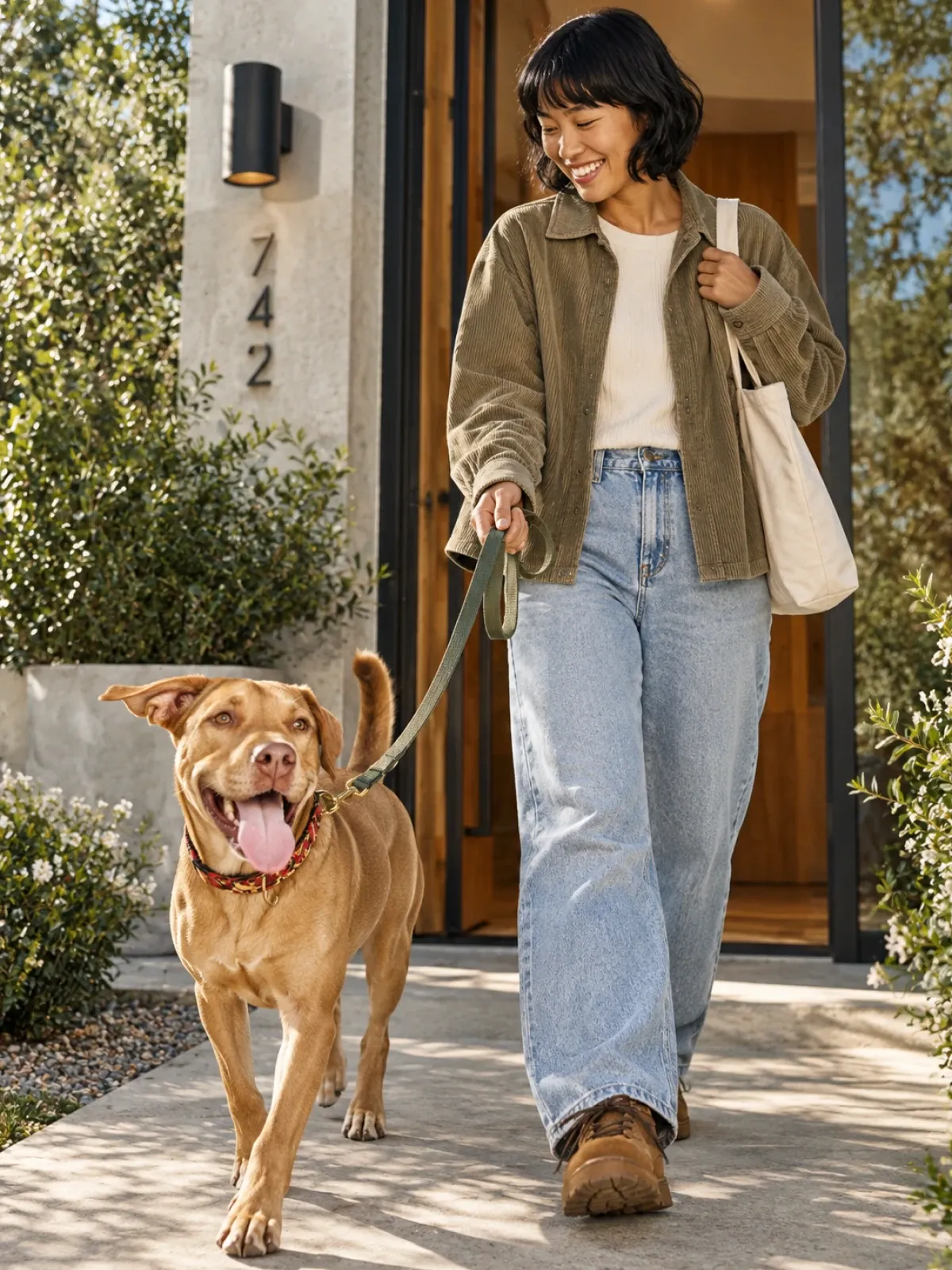
Dogs urinate indoors for three main reasons: medical, behavioral, or training. Most dogs sit in one lane, some in two.
Incomplete training is the simplest cause. Adult dogs trained elsewhere (shelter, previous home, outdoor-only) can look fine one week, lost the next. If the "peeing outside" rule never locked in, you face a gap. The rescue dog house training guide is a start.
A dog's marking behavior looks different: small amounts on vertical surfaces, around new objects or spots where other dogs have been. Dogs use urine marking to communicate. It's more common in males who haven't been neutered, but neutered males and female dogs can do it too. New objects, unfamiliar smells, or stress can trigger it. Spaying or neutering may help, but it's also important to figure out the cause.
Dogs are pattern animals. A new baby, a move, a schedule shift can trigger house soiling.
Behavior Issues Behind Indoor Accidents
Sometimes, medical or house-training issues are not the problem. Stress, excitement, and fear can play a part. Let's look at some common behavioral causes.
Separation anxiety and underlying anxiety
If accidents happen only when you leave, it can be separation anxiety. Indoor peeing is one sign alongside destruction, pacing, and vocalization. Our separation anxiety guide covers it; for broader fear, see how to calm an anxious dog.
Excitement peeing during greetings
Some dogs leak when overexcited: you come home, playtime starts. A dog can involuntarily release a little urine when they're excited. Our excited peeing guide covers it.
Submissive urination
This happens when your dog feels overwhelmed. You see submissive postures: ears back, tail tucked, body low, sometimes rolling onto their back. Common in rescues and adult dogs who were shy puppies. The full submissive urination guide covers it.
Bad weather and loud noise
If accidents cluster on rainy days, bad weather is likely the trigger. Some dogs refuse peeing outside in a downpour. Same with fireworks or loud noise. The dog holds peeing, then can't. If it repeats, work on fear.
Medical Issues That Cause House Soiling
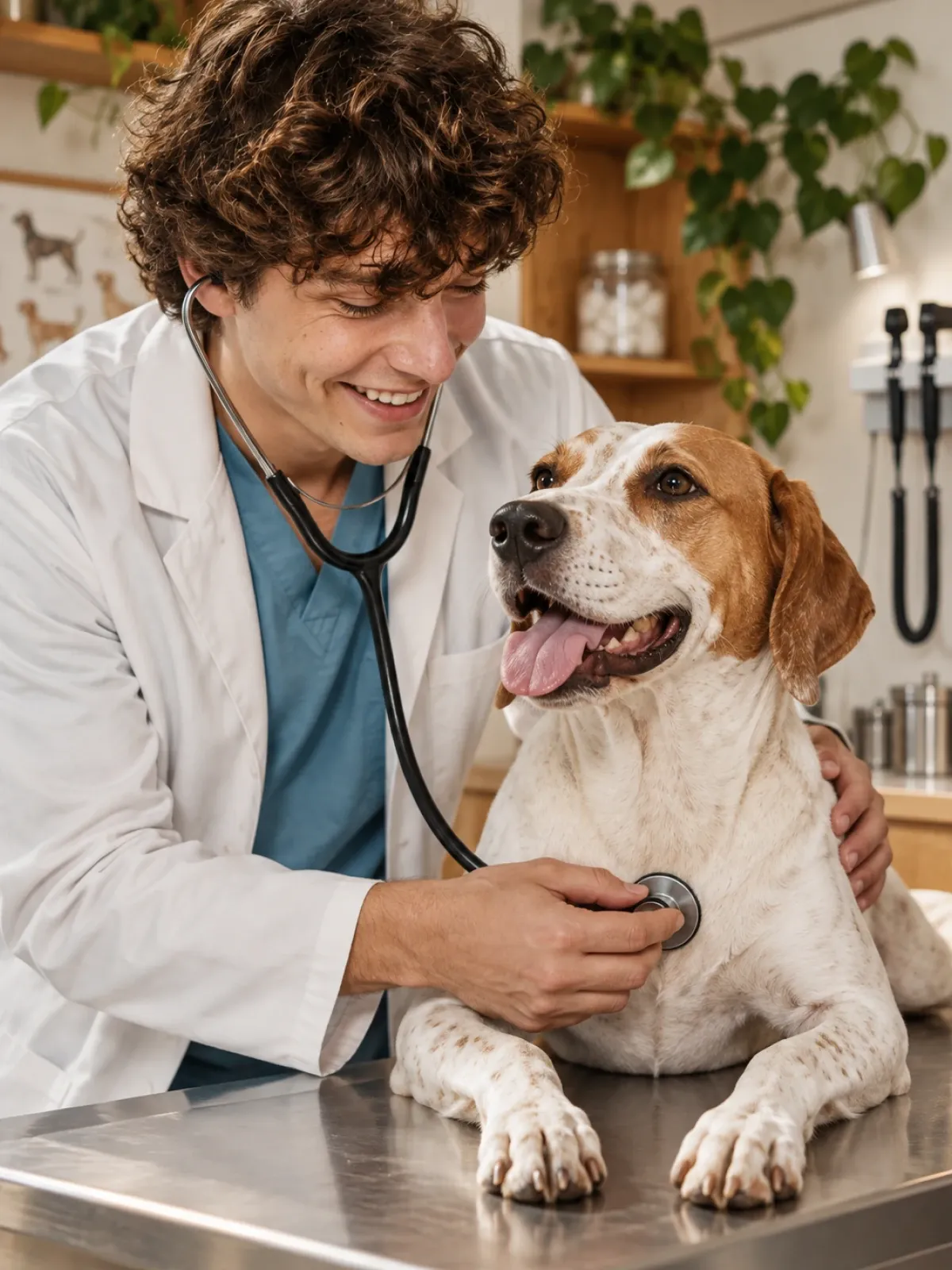
Medical problems can turn a reliable pet into one who leaks. Sudden peeing in the house likely means a vet trip.
Diabetes, Cushing's, and kidney disease
Several medical issues push urine production too high for the bladder to hold. Diabetes mellitus, Cushing's (hyperadrenocorticism), and kidney disease all show up this way. The workup for excessive urination covers all three. If thirst has also gone up, book an exam.
Urinary tract infections
Urinary tract infections are common in dogs, especially in females, per Cornell's Riney Canine Health Center. A 2020 study in the Journal of Veterinary Internal Medicine estimates 5 to 27 percent of dogs experience at least one UTI in their lifetime. Signs: straining, blood in urine, licking, a sudden string of urinary accidents. Urinary tract infections are treated with antibiotics.
Bladder stones and other health issues
Bladder stones can lead to urgency, frequency, and painful urinary accidents. Some dogs squat, strain, produce a few drops. Stones need imaging and, in many cases, either diet-based dissolution or surgery. Left alone, they can block the urethra, a true emergency. Arthritis, spinal issues, and medication side effects also lead to indoor urination in senior dogs.
Urinary incontinence
Urinary incontinence can also cause indoor accidents, especially in older dogs. Wet spots on the bedding after they sleep or rest are your red flags. This isn't a house-training problem, so ask your vet about possible causes and treatments.
Why Is My Female Dog Suddenly Peeing in the House?
A female dog suddenly peeing in the house usually points at a short list.
UTI first. Female dogs are more prone to urinary tract infections. Begin here if a female dog suddenly peeing starts out of nowhere.
Age related incontinence. Spayed female dogs can develop a weak urethral sphincter years after surgery. The sign is wet spots where the dog has slept. Our senior dog peeing in sleep guide covers the pattern.
Pyometra in intact dogs. In an unspayed dog, pyometra is a true emergency. A BMC Veterinary Research study found pyometra affects roughly 25 percent of intact bitches before 10 years of age. Signs: increased thirst and urination, vaginal discharge, lethargy, loss of appetite. Go to the veterinarian immediately. Delays turn a treatable patient critical.
Adult and Senior Dogs With Sudden Accidents
Adult dogs reliable for years who now have accidents signal a change in your dog's behavior. Vet first, then routine, then refresher.
Even adult dogs can forget the rules and may need a refresher. Treat it like puppy days, just shorter: potty breaks, big rewards outside, limited unsupervised freedom. If your dog is slower on stairs or stops asking out, pain might be driving it. Older dogs with arthritis can't always make it to the door. Closer potty breaks reduce the pressure. Rule out joint pain for older dogs at the vet.
As dogs age, cognitive decline enters the picture. Canine cognitive dysfunction syndrome (CCDS) is defined by the American Animal Hospital Association as a progressive, age related neurodegenerative syndrome whose behavioral criteria include house soiling. If your senior dog is confused, sleeping oddly, or stuck in corners, flag it.
When Dog Peeing Signals an Emergency
Call the vet the same day if you see:
- Blood in the urine
- Straining with little or nothing coming out (seek emergency veterinary care immediately for this one)
- Lethargy with the urinary accidents
- Vomiting plus increased thirst
- Vaginal discharge in an intact female dog
- Can't urinate at all
A dog who can't pass urine, or stops peeing entirely, is a true medical emergency.
How to Stop a Dog From Peeing in the House
The plan has three parts: medical first, retrain second, manage the environment third.
A vet visit for sudden urinary accidents is non-negotiable. Bring a urine sample if you can. Note frequency, timing, water drinking, appetite or eating changes. The more detail you bring, the faster appropriate treatment can land.
Then rebuild the pattern:
- Fixed potty breaks on a schedule your dog can predict.
- Out after meals, drinking, and play.
- Reward outdoor urination the moment it happens, not later indoors.
- Confine your dog to a small, comfortable area or crate (if they're crate-trained) when you can't supervise.
- Short journal of accidents: time, location, trigger.
Puppies need frequent potty breaks every one to two hours. Adults can hold longer, but after a long gap even a reliable dog slips into peeing indoors. The moment your dog finishes peeing outside, mark it and treat.
Avoid punishment. Yelling or nose-rubbing teaches your dog that peeing in front of a person is dangerous, so the dog will likely pee where you can't see. If medical is cleared and training alone isn't working, a certified positive reinforcement trainer or veterinary behaviorist can help, especially for severe fear or chronic reactivity.
Cleaning Pee in the House
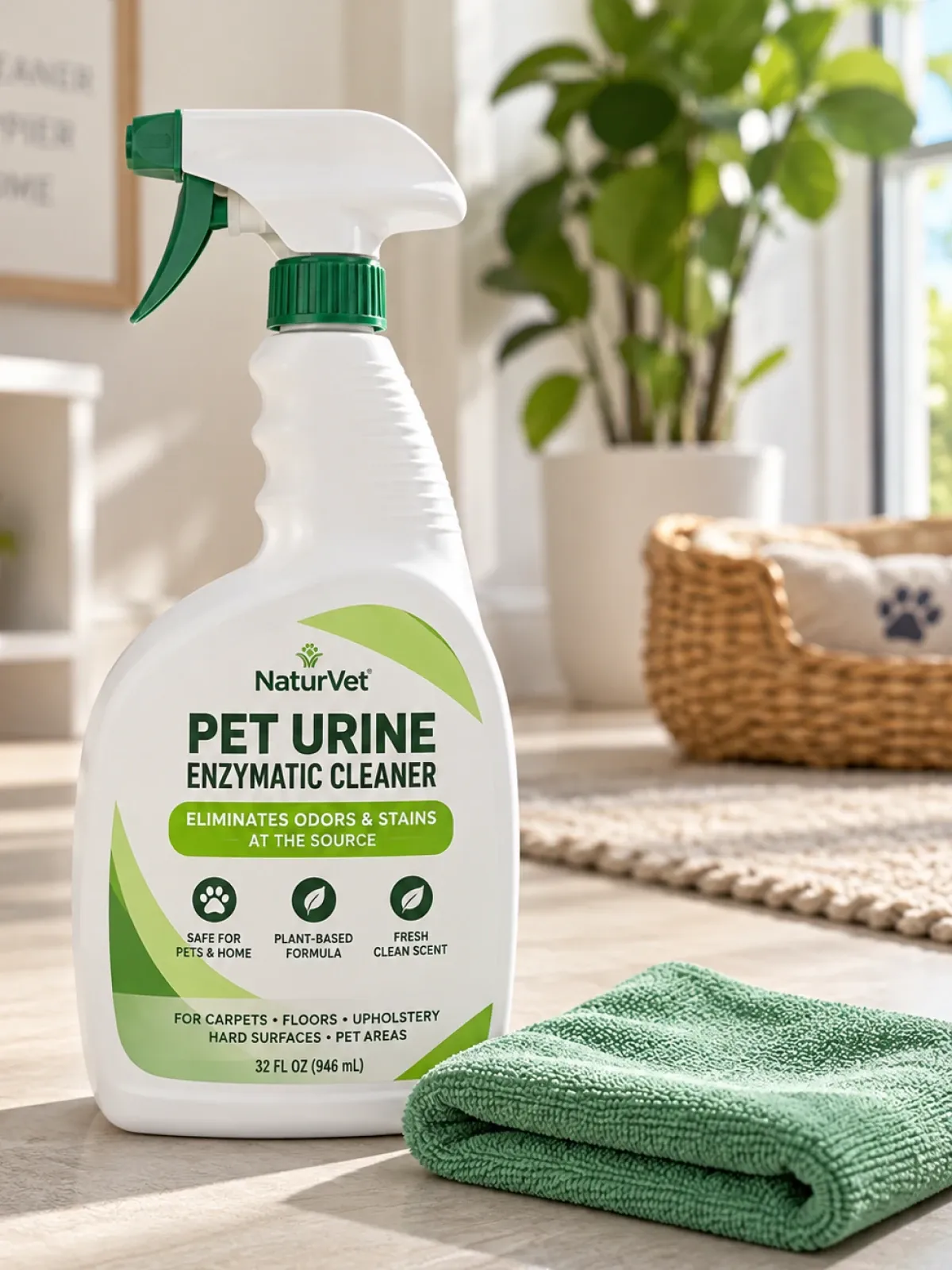
An enzymatic cleaner breaks down the proteins in pee so your dog can't smell it on the floor. Soap, bleach, and standard carpet cleaners mask the smell to you, not to your dog. Dogs often pee in spots that still smell like urine, so an incomplete clean is basically an invitation back to the same spot.
A few rules: pour, don't spray. The cleaner has to reach as deep as the urine did; skip ammonia-based cleaners (ammonia reads as pee to a dog); skip steam cleaning (heat sets the odor); let the cleaner sit as long as the label says before blotting.
If one corner has become "the bathroom," block access for a few weeks. Furniture, a baby gate, or a toy on the spot can break the habit.
Managing Ongoing House Soiling
Some medical issues don't fully resolve: age related incontinence, chronic illness, severe cognitive decline. Management beats fighting the body. Puppy pads near the door give older dogs a safe place. Belly bands suit male dogs who dribble; dog diapers work for either sex. Belly bands and dog diapers manage, they don't fix the underlying medical problems, and both need frequent changes.
Keep the confined space comfortable so your pet still feels part of family life with family attention. Pet parents who stay patient see the results faster.
Train With Woofz: Structure for the Hard Weeks
Rebuilding house training with a slipping dog is a grind. You need a schedule and progress tracking.
The Woofz app gives you that structure. A personalized plan built around your dog's age, breed, and behavior. Step-by-step potty retraining for adult dogs and puppy regression cases that look like a house training failure but aren't. Reminders so the schedule holds. Behavior programs for stress, excitement, and shy greetings.
Take the two-minute Woofz quiz to get a plan built around your dog, not a generic routine. Follow the steps, track your progress, and adjust the routine as your dog improves.
Dog Peeing in the House FAQs
Why would my dog be peeing in the house all of a sudden?
Usually medical: UTI, bladder stones, diabetes, Cushing's, or in intact dogs, pyometra. Sudden accidents in an adult pet mean a vet visit.
How can I get my dog to stop peeing in the house?
Rule out medical first. Rebuild your pet's day with potty breaks, supervised time, a treat for every outdoor pee, and an enzymatic cleaner on every accident. Skip the yelling. It can lead to fear and hidden pees.
How toxic is dog pee in a house?
Dog urine is not acutely toxic to people, but dried waste releases ammonia over time, which can potentially irritate lungs and sting eyes. The bigger risk is persistent odor that signals your dog to keep going there.
What smell will stop my dog from peeing in the house?
No scent reliably works as a permanent deterrent. Trainers lean on enzymatic cleaners plus a schedule and rewards to shift the behavior. Citrus and vinegar discourage short term but don't fix the reason.
A puddle is a message, not a verdict. Read it, work it out, and go from there.
Disclaimer: This article is for informational purposes only and doesn't replace professional veterinary advice. If your dog develops sudden urinary changes or shows signs of illness, consult your veterinarian.
Sources
- Cornell Riney Canine Health Center. Urinary tract infections.
- Llido M et al. Transurethral cystoscopy in dogs with recurrent urinary tract infections: Retrospective study (2011-2018). Journal of Veterinary Internal Medicine, 2020.
- Jitpean S et al. Outcome of pyometra in female dogs and predictors of peritonitis. BMC Veterinary Research, 2014.
- Schoeman JP. Approach to Polyuria and Polydipsia in the Dog. WSAVA 2008 Proceedings.
- American Animal Hospital Association. First guidelines on canine cognitive dysfunction syndrome.
- Dumb Friends League. Removing pet odors and stains.