


Mental Stimulation and Brain Games for Dogs: Why Enrichment Beats a Bigger Walk

By
Woofz Team Updated on |Reviewed by
Woofz TeamChewed trainer. Confetti sofa. 3 a.m. barking at a shadow. Rarely a "bad dog" problem. Usually, it’s a dog with too much energy and not enough to do. Mental stimulation can help take the edge off daily chaos.
Mental enrichment answers a big share of what dog owners type into Google about chewing, barking, and digging. Boredom can lead to destructive behavior, though it’s not always the reason.
What Mental Stimulation Means
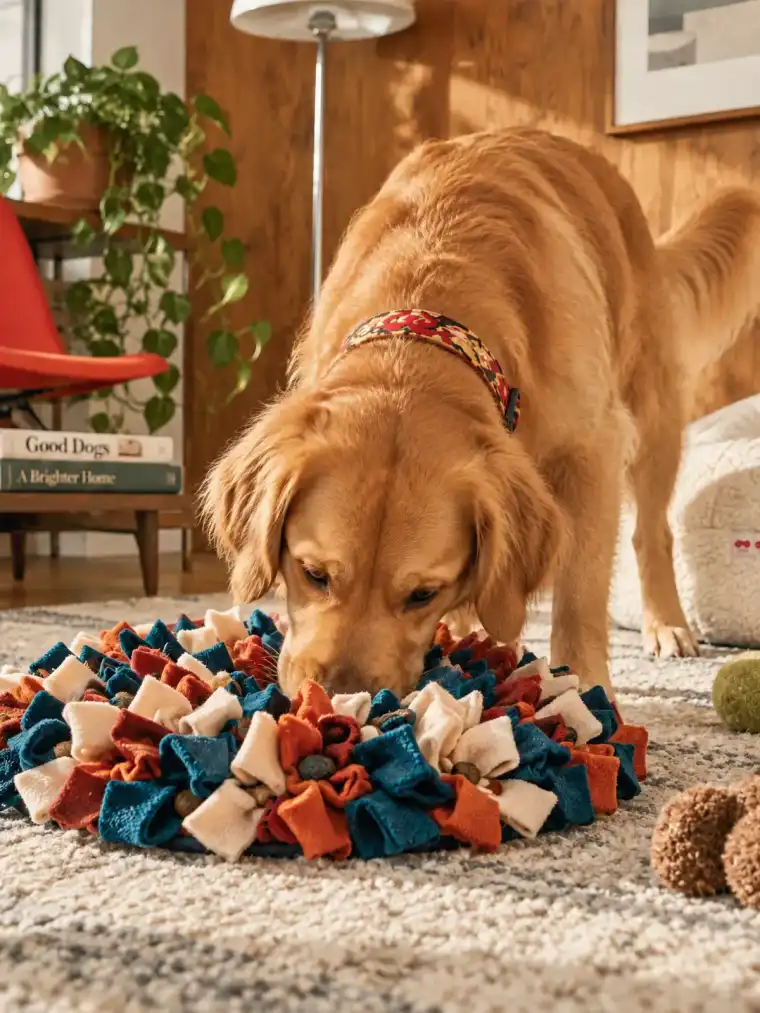
Mental stimulation is anything that makes a dog's brain work: sniffing out a hidden snack, solving a puzzle, learning a cue, or finding treats in a snuffle mat. Cognitive effort, not step count.
The ASPCA links many dog behavior issues to unmet needs. It recommends enrichment, social contact, food games, and sensory play to help meet those needs. Fail to provide mental stimulation around the house and the dog picks a project. Usually your rug.
Why Mental Stimulation Is Important for Your Dog
Mental stimulation matters for one blunt reason: bored dogs often find their own ways to stay busy. The AKC confirms: even a dog on a daily three-mile run can still be destructive without mental stimulation in the mix.
Trainers call mental stimulation important for overall health too. Enrichment gives dogs safe outlets for natural behaviors like sniffing, chewing, exploring, and foraging. The idea is simple: give your dog healthy ways to use their energy, curiosity, and natural instincts.
A 2008 study found that stuffed Kong toys changed the behavior of kenneled dogs during enrichment sessions. Give a dog a real problem and the dog stops inventing one.
Signs your dog needs more mental stimulation
A mentally stimulated dog settles. An understimulated dog invents jobs:
-
Destructive chewing of shoes, baseboards, remotes.
-
Excessive barking at sounds, people, animals, or other triggers.
-
Digging, counter-surfing, zoomies.
-
Pawing, dropping toys in your lap, nudging.
Symptoms, not personality. A happy dog, by contrast, naps between activities.
Mental vs Physical Stimulation: Your Dog Needs Both
Walks matter. Physical exercise burns the dog's energy and keeps joints working. Mental exercise meets a different need. Mental and physical stimulation sit on the same table. Physical stimulation alone makes a fit dog fitter, not calmer. Physical exercise alone leaves a smart dog bored.
There’s no magic ratio. Mix physical exercise and mental enrichment based on your dog's age, health, and energy level.
Brain Games to Mentally Stimulate Your Dog
To mentally stimulate your dog, pick two or three game types below and rotate. Each game is a different challenge. Together they mentally stimulate different parts of the dog's brain.
Puzzle toys and food puzzles
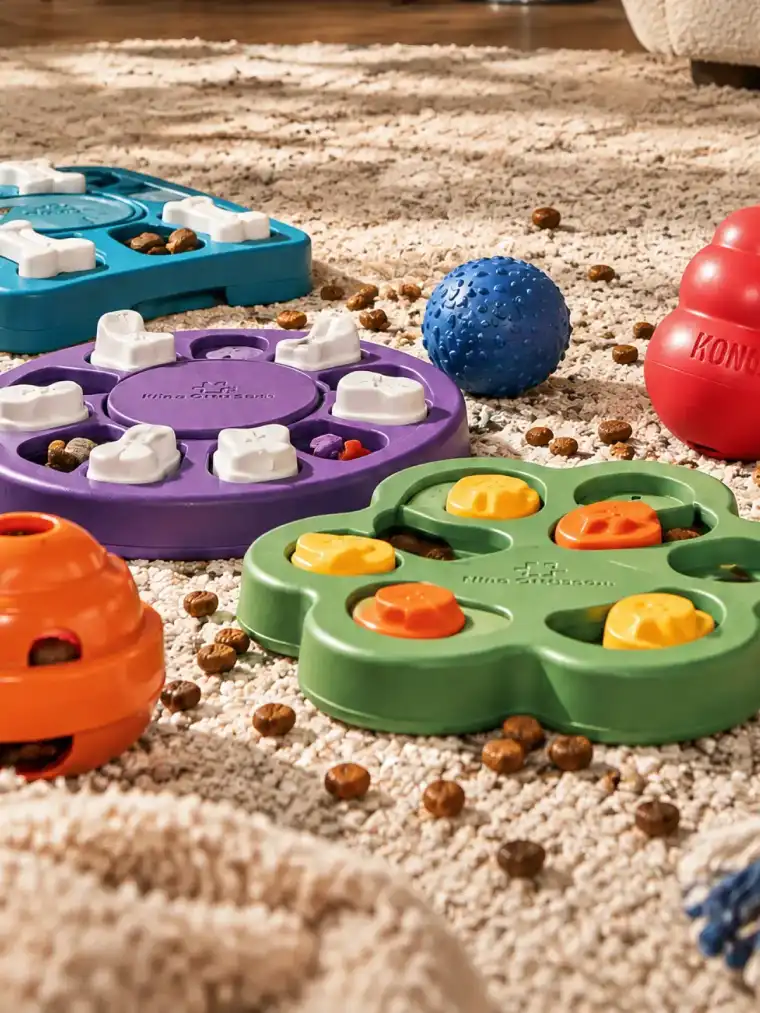
Puzzle toys are the easiest entry point for a bored dog. Kongs, Nina Ottosson boards, treat-dispensing balls, lick mats. Load with food and treats, start on an easy challenge, gradually increase difficulty. Once the dog clears a puzzle easily, graduate to more complex puzzles. Rotate three or four interactive toys weekly so novelty does the work.
Each puzzle game should feel like a solvable challenge, not a frustration. Match toys to the dog's chewing strength. Never leave a heavy chewer alone with soft puzzle toys. Toss toys that crack.
Use part of your dog's regular meal for food puzzles and scatter feeding to avoid adding too many extra calories.
Nose work, scent games, and play hide
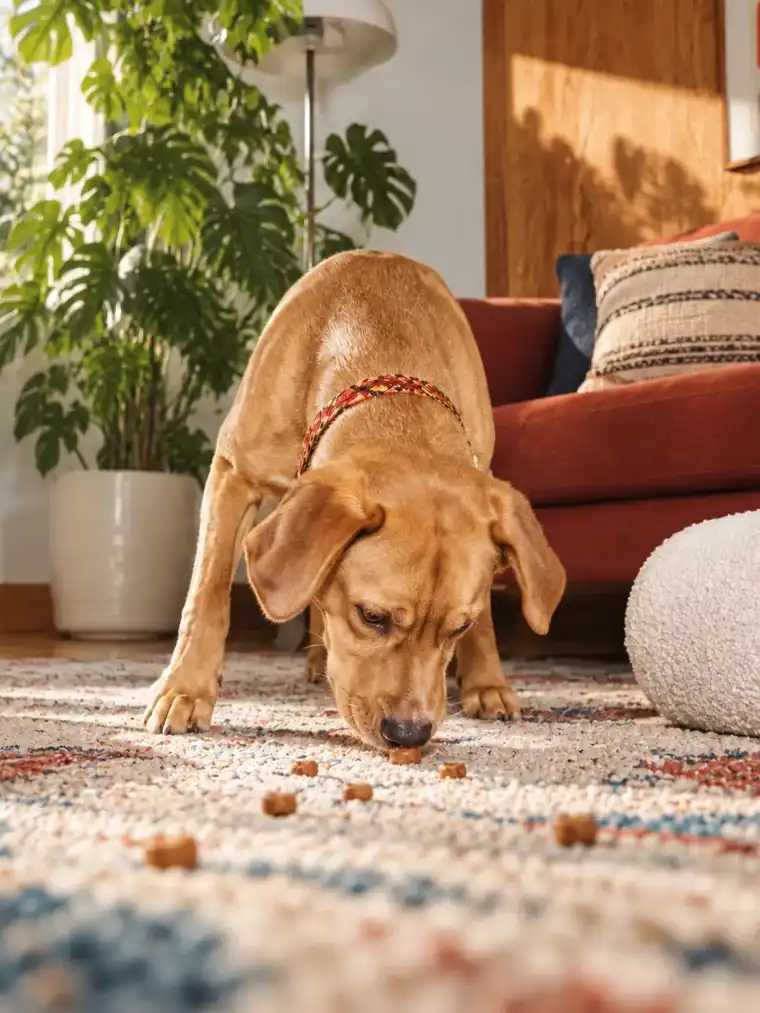
Dogs use their noses to explore the world and figure out what's going on around them. Duranton and Horowitz (2019) studied pet dogs doing two weeks of nose work or heelwork. The nose-work group showed a more positive response on a cognitive bias test.
To hide treats, start simple. Three cups on the floor, treats under one. Say "find it." Play hide the toy next in cardboard boxes or under furniture. Hide treats around the yard for a longer scent game and a nose challenge. Scent work builds a dog's sense of confidence in new environments.
Short training sessions and new tricks
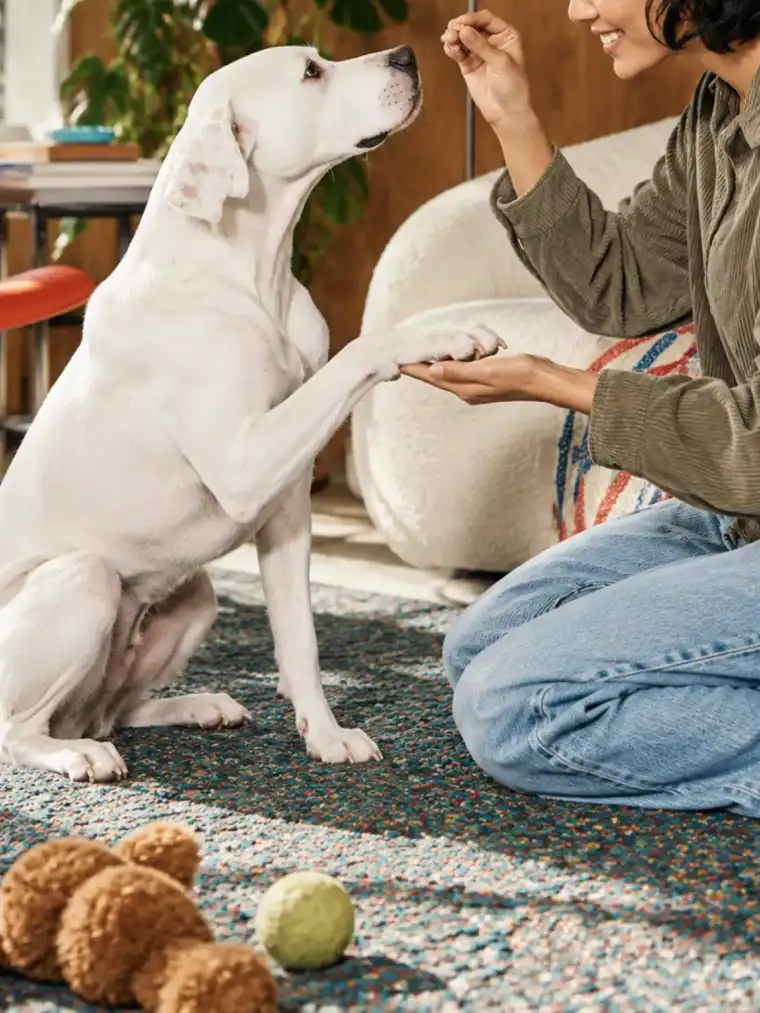
Teaching your dog new tricks is mental exercise disguised as play. Keep training sessions short, around three to five minutes, especially for beginners. One skill at a time: touch, spin, bow, roll over, put toys away.
Mix up the rewards: treats, praise, or a quick game of tug. Regular training sessions keep a dog engaged and reinforce good behaviour. Even five minutes of basic training gives your dog a useful mental workout.
Scatter feeding and interactive play
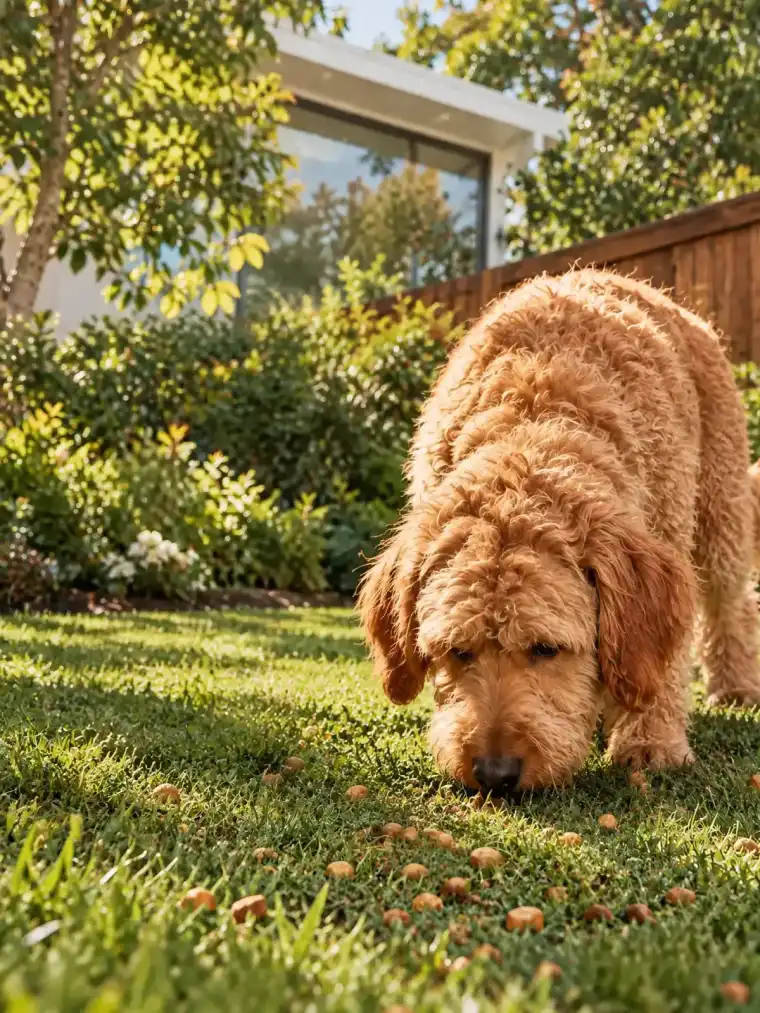
Tip a quarter of the meal into a snuffle mat or scatter across the lawn. Ten minutes of sniffing and foraging can turn an ordinary meal into a simple brain game. A fantastic way to cool a dog down after agility training or interactive play.
DIY Options When You Do Not Want to Buy Anything
-
Muffin tin plus tennis balls plus treats underneath. Instant puzzle.
-
Cardboard boxes stacked loose with kibble. Rip, then forage.
-
Rolled-up towel with treats twisted inside. Cheap snuffle toy.
Shelter programs use these to reduce boredom and keep the dogs busy. Pet parents rarely need to spend money to provide mental stimulation.
Mental Stimulation for High-Energy Dogs and Breeds
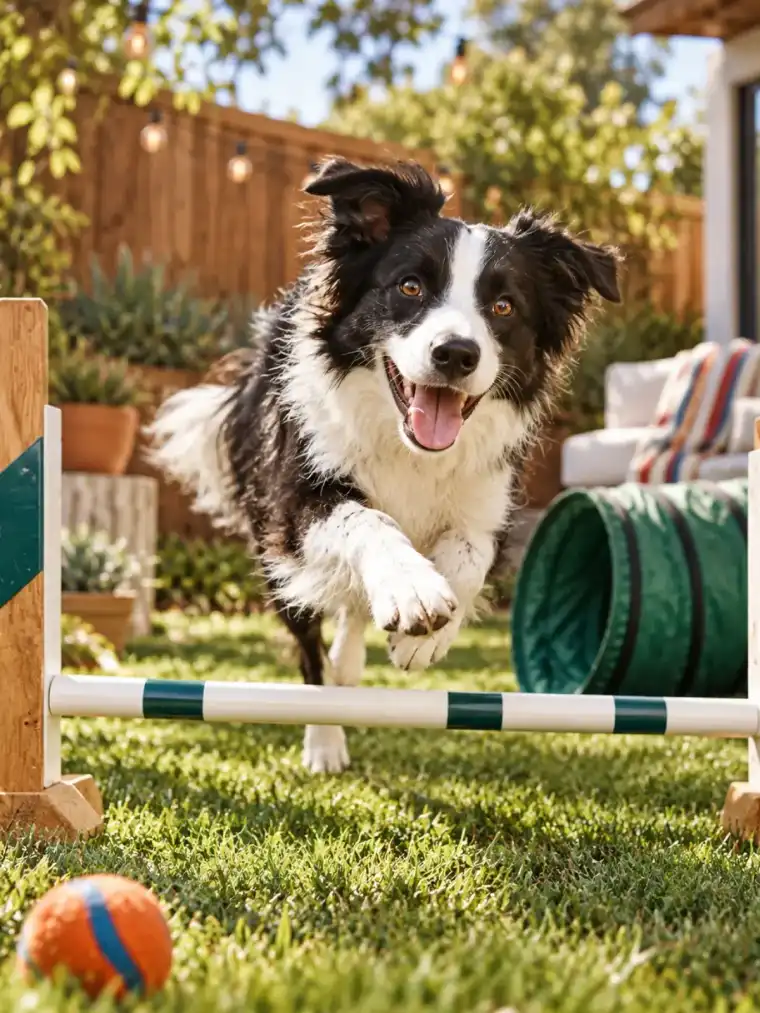
High-energy dogs, like Border Collies, German Shepherds, Malinois, often need plenty of physical and mental outlets.
For high-energy breeds, build structured mental stimulation in. Try nose work, agility, short training sessions, or safe chew activities. German Shepherds and other high-energy breeds often need more mental stimulation than owners expect. Stack physical and mental work back to back.
Older dogs benefit from gentle work that keeps the dog's mind active: slow puzzle feeders, scent work, calm training. If a senior dog seems confused, loop in your vet.
FAQs
What is the 7-7-7 rule for puppies?
The “Rule of Sevens” is a puppy socialization checklist, not a mental exercise plan. By seven weeks of age, a puppy should have met seven surfaces, seven objects, seven locations, seven people types, seven sounds, seven challenges, and seven containers.
What is the best mental stimulation toy for dogs?
No single best toy. The best one is the one your dog actually works at. Kong-style stuffable toys and snuffle mats suit the widest range of dogs. Puzzle feeders like Nina Ottosson boards work for problem solving fans. Rotate two or three toys.
What is nooking in a dog?
Nooking is a self-soothing behavior where a dog suckles or gently mouths a soft toy, blanket, or bed corner. Most associated with Weimaraners. Usually harmless. If it tips into compulsive, pair enrichment with a vet check.
Is licking mentally stimulating for dogs?
Yes. Licking can give some dogs a calming, focused activity. Frozen lick mats can be useful during quiet time, crate training, or other low-key activities. Pair with puzzle toys or nose work.
Make it a Habit, Not a Project
Pick three brain games this week. Rotate them. See if your dog starts picking fewer fights with your furniture.
Want a plan built around your dog's age, breed, and routine? Take the 2-minute Woofz quiz for a personalized training path with brain games, commands, and a wellness routine your dog can stick with.
Sources
-
American Kennel Club. Does Your Dog Get Mad at You?
-
ASPCA Professional. Canine Enrichment for Shelter Dogs
-
Schipper, L.L., Vinke, C.M., Schilder, M.B.H., Spruijt, B.M. (2008). The effect of feeding enrichment toys on the behaviour of kennelled dogs (Canis familiaris). Applied Animal Behaviour Science, 114, 182-195.
-
Duranton, C., Horowitz, A. (2019). Let me sniff! Nosework induces positive judgment bias in pet