German Shepherd Training Guide

Por
Anastasiia Petrovska Actualizada en |Revisado por
Woofz TeamGerman Shepherds (GSDs) are one of the most popular breeds. Also known as Alsatian dogs, they were originally bred for herding and protection. As a result, their sharp problem-solving skills made them popular as military and police dogs. Not only have they been working partners for generations, but they’re also very loyal companions.
Puntos clave
- German Shepherds are one of the most intelligent breeds
- As high-drive dogs, they crave structured training and consistent routines
- Early socialization is a key to preventing fear and aggression issues
- Positive reinforcement and gradual exposure to triggers improve behavior.
If you’ve recently welcomed one, you’re stepping into a new life. A life with a powerful, sensitive, and highly trainable breed that thrives on structure, engagement, and a strong human bond. In this German Shepherd training guide, you’ll discover how to train a German Shepherd. You’ll also learn about their temperament, activity level, and how much training a GSD needs.
German Shepherd Personality
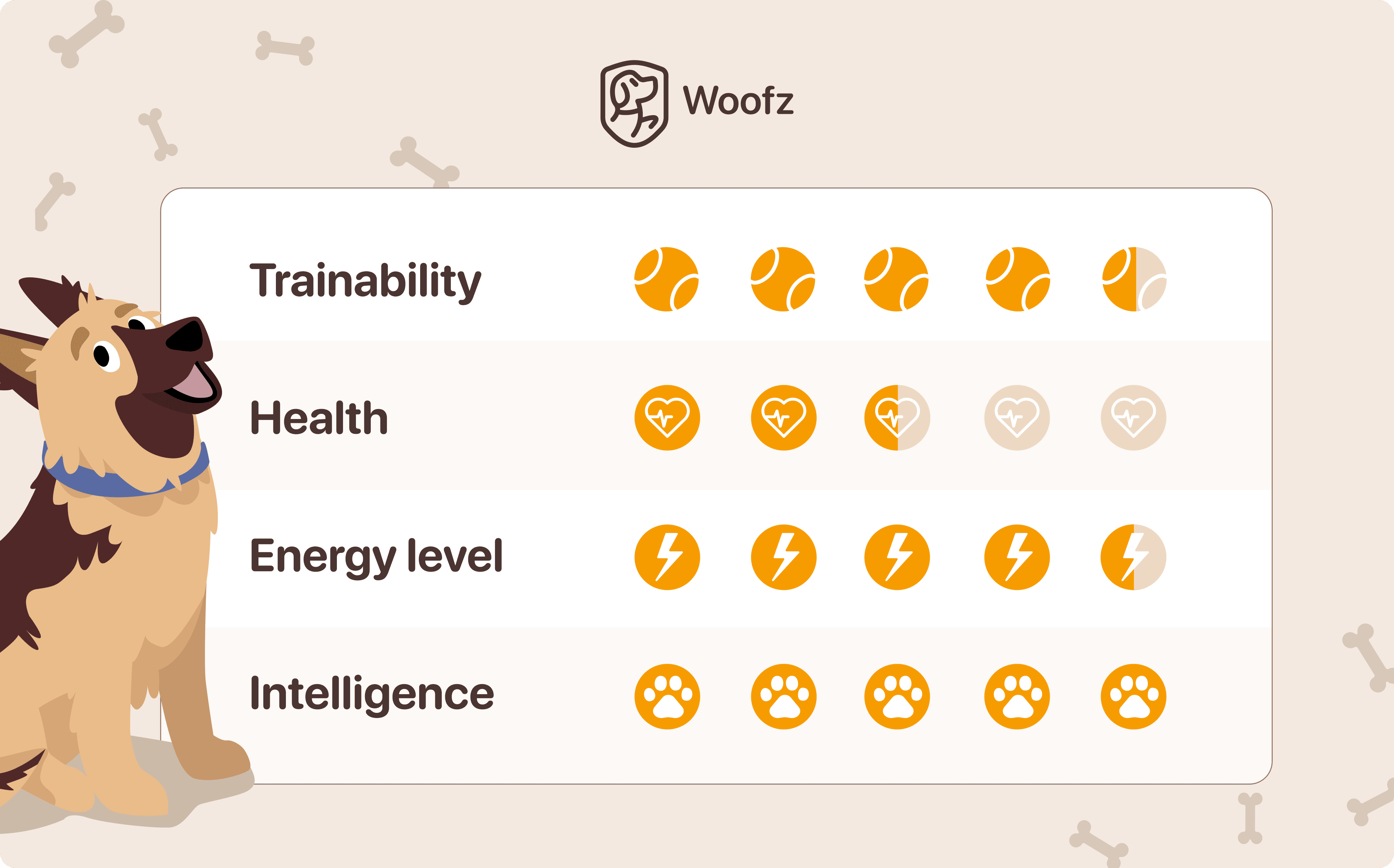
German Shepherds are alert, loyal, and incredibly intelligent working dogs. Most dogs have a strong family bond. They’re natural observers with strong protective instincts, which makes them great family pets. However, such strong defensive attributes need proper management to tap into the breed's potential.
Working-Line vs Show-Line German Shepherd Dogs
Working-line German Shepherds and show-line German Shepherds can act differently during training. Pet-line GSDs were bred to be companion animals. This means they’re less protective and calmer than working-line GSDs. However, they still require a lot of exercise and practice.

In contrast, working-line GSDs are service dogs. They have the breed's most prominent features:
- Strong guardian instincts
- High drive
- Muscular
- Able to work intensely.
Both are the same breed, but the energy, protective instincts, and training approach are different. Working-line GSDs typically need more time and effort to put into practice.
Activity level
Both working-line and show-line GSDs love activity. They have a high drive and need more meaningful physical and mental exercise. It’s crucial for them to stay happy and fulfilled. Without enough stimulation, they may become restless and prone to destructive behaviors.
Temperament
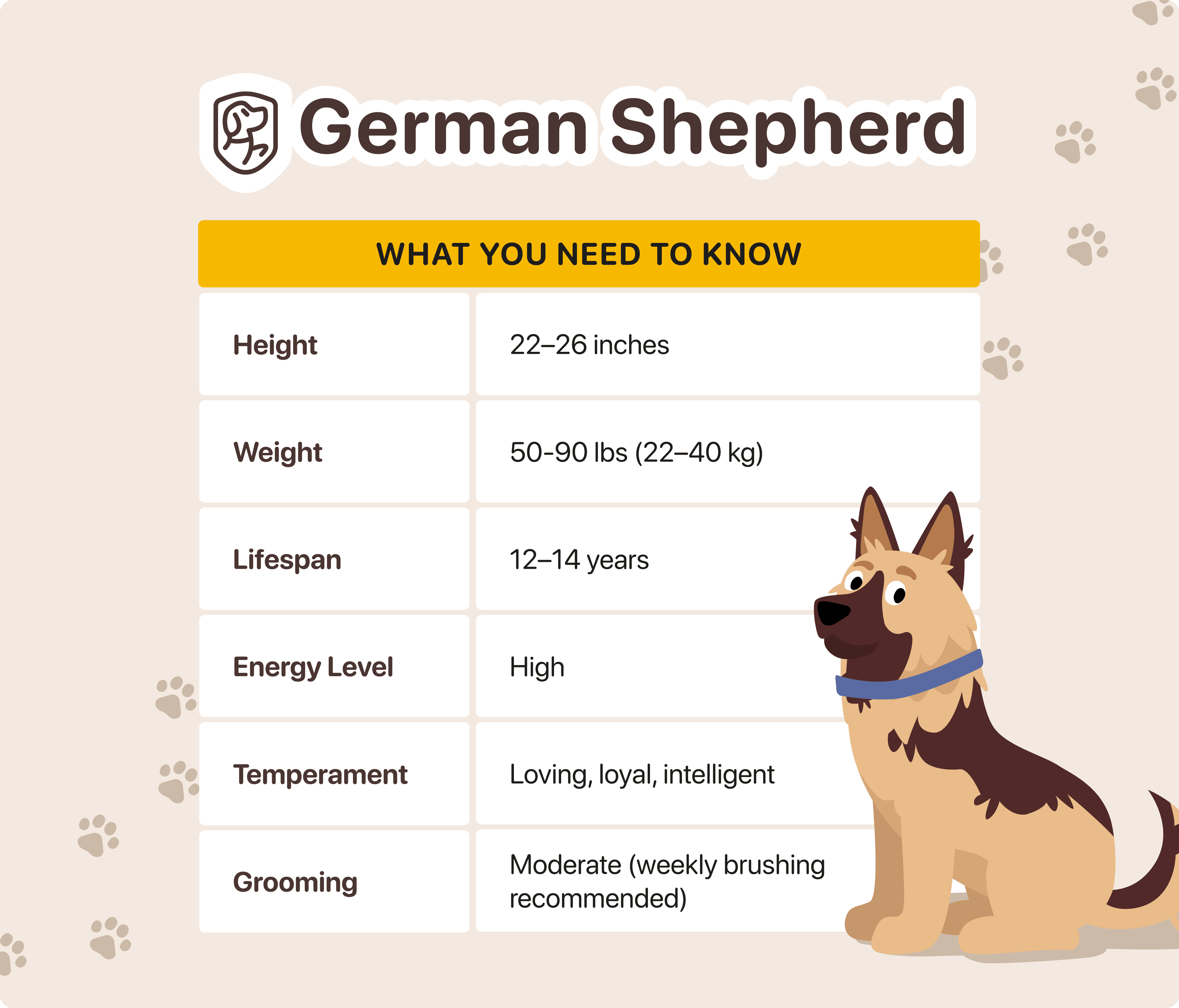
The German Shepherd temperament slightly differs depending on the dog’s age and line. All GSDs are smart, confident, and courageous.
They’re generally task-driven and alert. German Shepherds are also a bit aloof, but tend to be more sociable and easier to manage in everyday life.
Both share well-known German Shepherd traits, such as intelligence, loyalty, and protectiveness. And both crave consistent routine, guidance, and early obedience training.
Are German Shepherds easy to train?
Yes, German Shepherds are among the most trainable dog breeds. They’re intelligent, eager to work, sensitive to cues, and quite alert.

For first-time German Shepherd owners, it may be challenging. Their problem-solving skills and high energy mean they can pick up bad habits fast. Despite that, GSD training can be highly effective as long as sessions are consistent, positive, and mentally engaging.
How to Train a German Shepherd
German Shepherd training is essential to manage the breed's temperament. Explore the following GSD training recommendations from a certified reinforcement trainer.
Early socialization is a must
If you want to raise a well-behaved dog, start early, before 16 weeks of age. Most German Shepherds are naturally suspicious of strangers and different environments. This is a natural trait, but without early exposure, it can become fear-based aggression or overprotectiveness. German Shepherd puppies who experience little in their puppyhood can later struggle with:
- New environments and people
- Interacting with other dogs
- Unfamiliar sounds.

To avoid that, make sure to create an environment for a positive socialization experience, including:
- Meeting friendly adults and children
- Interaction with calm, vaccinated dogs
- Gradually introducing traffic noises or other new noises
- Practicing gentle handling
- Short walks to secure public places.
Early socialization is crucial for German Shepherd puppy training. Well-socialized pups become well-behaved, confident dogs later.
Address Common Behaviors Early
Interacting with a GSD becomes easier when you know their behavioral peculiarities. Use the following German Shepherd training tips to set up your dog for success before unwanted behaviors start.
Jumping Up
German Shepherds often jump when excited. This is how they ask for attention from their owners.

What you can do:
- Ignore the jumping
- Reward all four paws on the floor
- Teach a reliable sit for when visitors come
- Stay consistent regardless of who the dog greets.
Barking
Barking is a common issue for German Shepherds. Being high-drive and intelligent, they use their voice to communicate their feelings:
- Excitement
- Frustration
- Fear.
They also use voice to communicate about their needs to their pet parent. While some barking is natural, persistent barking can be a sign of:
- Lack of mental stimulation
- Poorly structured routine
- Excessive energy.
What you can do: Give your dog plenty of stimulation and be consistent with training. German Shepherds are quick thinkers, which helps them to learn when to speak up or to stay quiet. Maintain clear boundaries to improve behavior control.
Selective Hearing
Sometimes, GSDs choose something else instead of following your commands if something else catches their attention. They don’t do that on purpose; it usually indicates the dog wasn’t properly trained.
What you can do:
- Reward generously during the early stages of training
- Practice in low-distraction areas first
- Gradually increase difficulty (and reduce the number of treats given)
- Use treats during distractions
- Practice recalls on a long line
- Work on obedience in new places.
Practice and consistent work are key here.
Reactivity & Pulling the Lead
GSDs can be reactive to motion or people due to their inborn instincts. Thus, training a German Shepherd should include:

- Enrichment training paired with structured exercise (helps to reduce excess energy)
- Working at a safe distance where your dog can stay calm (to deal with reactivity)
- Rewarding engagement and gradually decreasing distance only when the dog is ready.
Many German Shepherds improve as soon as their owners learn to prevent trigger stacking (when encountering too many at once or in succession).
Whining
Whining is quite common in German Shepherds, as they’re alert and very sensitive.
What you can do:
- Identify the cause (stress, boredom, frustration, excitement)
- Ensure their needs (meals, water, exercise) are met
- Reward calm behavior.
- Never punish or scold your dog for vocalizing, as this increases anxiety.
Play Biting
Play biting is an extremely common behavior for GSDs, especially when they’re puppies, since they’re a herding breed. Puppies tend to use their mouth to learn about the world.

What you can do:
- Redirect their attention to an appropriate object (for example, a toy)
- Avoid rough play, especially with bare hands
- Pause play when a dog’s teeth touch skin or clothes
- Reinforce gentle play by continuing it, praising, or using treats.
- Teach that mouthing on human skin or clothes is inappropriate.
Regular GSD puppy training, a calm environment, and plenty of sleep help reduce mouthiness.
Separation Anxiety
German Shepherds form a strong bond with their owners. It’s the reason many dogs struggle with anxiety when left alone.
What you can do:
- Start independence training during puppyhood
- Practice short absences
- Try giving toys and treats when leaving to encourage calmness.
German Shepherd Training Tips
Top 6 essential GSD training tips that work for the breed’s benefit:
- Engage in short training sessions (up to 10 minutes) and gradually increase when you see success
- Use positive reinforcement
- Add new challenges to prevent boredom
- Use hand signals actively
- Maintain a structured daily routine
- Gradually train obedience.
According to the American Kennel Club, German Shepherds consistently appear in the top 3 smartest work breeds. Many studies showed that dogs with higher intelligence tend to learn new commands with fewer repetitions. If you have a GSD, start with basic obedience and regular training. It’ll help you to bring up a confident, loyal, and well-behaved companion.
How Much Exercise Does a German Shepherd Need?
German Shepherd exercise needs are higher than those of other dog breeds. Experts say that German Shepherds typically need 1.5–2 hours of regular physical exercise. This should include:

- Agility training or structured play time
- Off-lead running
- Playing fetch.
- Mental stimulation is equally important for GSDs, especially tasks like:
- Scent games
- Obedience training
- Puzzles
- Learning new tricks.
A study published in Applied Animal Behavior Science says that a lack of early stimulation leads to anxiety and higher reactivity. Thus, the more pet parents meet their German Shepherd’s physical and mental needs, the more confident the dog becomes.
Wrap Up
Being a pet parent of a German Shepherd is incredibly rewarding. The best way to train a German Shepherd is to provide them with plenty of exercise. Early socialization and structure are also crucial to raising a well-balanced and confident pet.
Whether you’re training a GSD puppy or working with an adult dog, consistency and commitment are non-negotiable. This breed is eager to work with you and for you – you just need to show them how.