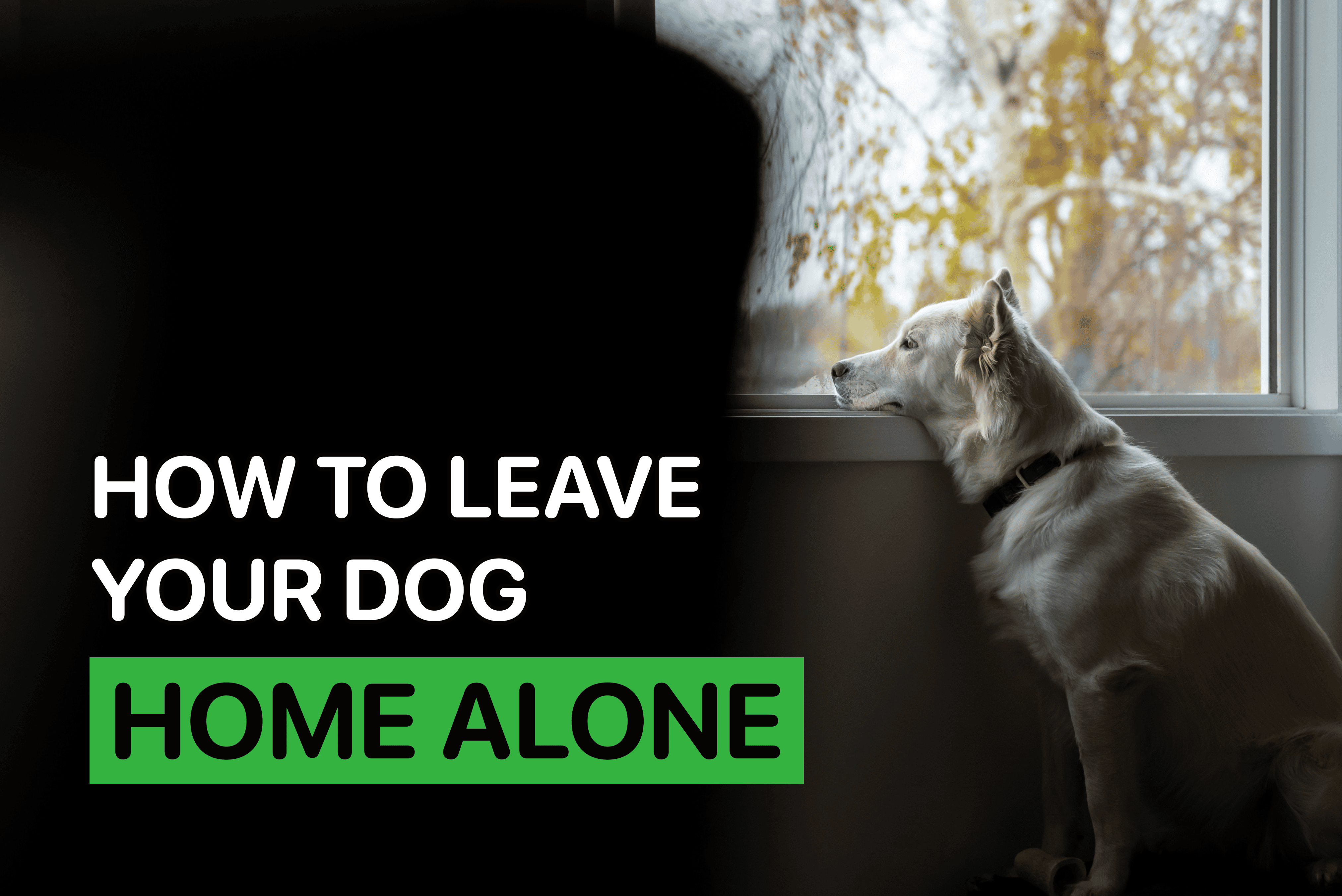
Tips for Separation Anxiety in Dogs

By
Woofz Team Updated on |Reviewed by Ela Brumm
Just like their caregivers, dogs can experience mental health problems. These include not only common fears and phobias, but also less pronounced negative feelings such as anxiety. Separation anxiety in dogs is a normal phenomenon; all breeds are susceptible to it. However, if left untreated, it can transform into a more severe condition called anxiety disorder.
Key Takeaways
- Separation anxiety is common in dogs and can develop into an anxiety disorder if untreated
- Typical signs are pacing and inappropriate peeing, destructive chewing and excessive barking
- Causes include past trauma and drastic changes in the routine, lack of socialization and genetics.
- Step-by-step desensitization, consistent training, and spending more time together are the main treatments.
Want to know what causes canine separation anxiety and how to help your pet overcome it? We’ll equip you with all the information you need to recognize its signs, as well as what you can do to prevent it. Armed with practical tips on how to stop separation anxiety in dogs, you’ll assist your pup in learning how to regulate their emotions better.
What is Canine Separation Anxiety?
Separation anxiety is a behavior in which dogs demonstrate excessive stress when separated from their owners. It’s like a panic attack in a person and has both short-term and long-term effects.
Canine anxiety is quite common in dogs who are very attached to their owners. Some surveys state that more than 50% of pet owners have observed separation anxiety in their pets. Half of pet parents report that their dogs follow them to the door, looking sad. Many dogs whine when their owners are about to leave. It’s one reason why more than 40% of dog owners ask a family member to check on them or even hire a dog sitter.
How to Know if Your Dog Has Separation Anxiety?
It’s not always easy to tell if your pet is dealing with anxiety while you’re away. A dog with separation anxiety is likely to engage in destructive activities shortly after an owner’s departure. Unfortunately, unless there's evidence of such problems, dog anxiety issues may go unnoticed for a while.
Dog separation anxiety common symptoms

According to Veterinary Partner, dogs with separation anxiety usually demonstrate the following behaviors:
- Excessive vocalization, such as barking and howling
- House soiling
- Destructive chewing of objects like furniture or shoes
- Digging at doors, windows, or other exit points
- Increased heartbeat and/or breathing
- Continuous attempts to escape home
- Pacing
Knowing how dogs display anxiety allows pet parents to spot unwanted behaviors on time and intervene.
What Causes Separation Anxiety in Dogs?
It’s still unclear why some dogs develop separation anxiety. However, it is associated with the following life circumstances:
- Previous traumatic experience (e.g., life in a shelter, change of the owner)
- Leaving the dog alone for the first time
- Sudden or significant changes of the dog’s routine
- Your dog is over-attached to you
- Lacks of socialization skills
- Moving to an unfamiliar environment, such as a new house
- Lack of physical and mental stimulation
- Genetic predisposition
- Dog owner’s anxiety (dogs can pick up on the owner’s emotional state and stress about leaving you alone)
Recognizing the causes of anxiety is crucial, as it allows for preventing and treating separation anxiety in dogs.

How to Fix Separation Anxiety in Dogs?
It’s not only a dog's mental state that is affected by separation anxiety – dog parents’ quality of life decreases as well. Not many owners can work from home, preventing separation anxiety in their dogs. Unwanted behavior, combined with damage done to property, may get in the way of forming a strong bond with your pet.
So, how to help dogs with separation anxiety? The solution is to develop a well-structured and thoughtful plan to deal with the issue.
Let’s discuss in more detail what it should include.
1. Spend more time with your dog
Try to avoid leaving your pet home alone. You may need to adjust your work schedule or leave your dog with relatives or friends. Consider using daycare facilities where your dog will be constantly supervised and taken care of.
The next step to dealing with dog separation anxiety is to desensitize the pet to your actual absence. Start with brief departures, with your dog’s reaction monitored by video recording. For example, you leave for 5 minutes, but your pet gets agitated after 3 minutes. This means your time away should be shortened. When you see positive changes in your dog’s level of separation tolerance, gradually increase the absence time.
2. Establish a consistent schedule
Every dog suffering from anxiety needs a predictable environment to thrive in. Thus, creating a daily schedule can be one of the solutions to a dog's problem. Schedule times when your pet can expect attention (feeding and walking, training sessions, and play). Do the same for rest, nap time, and object play, trying to schedule them around your departure time.
3. Behavior modification through basic training
Destructive behaviors, such as vocalizing, pacing, and peeing around the house, are signs that your dog has separation anxiety. Dog owners should find solutions to manage them alongside other interventions.
Start with revising the basics, such as crate training or working on obedience. It helps to revise previously learned cues, bringing back consistency and predictability to the pet’s life. Don’t forget to reward your dog afterward to strengthen the dog-owner bond and enhance desired behaviors.
4. Don’t use punishment
No matter what unwanted behavior your dog shows, stay away from punishing them. Remember, it’s distress rather than the dog’s genuine desire to irritate you. Punishment can only worsen the situation.
You’re probably familiar with your dog's guilty look when they destroy something in the house. It’s called conditioning – associating destroying items with your arrival and subsequent punishment. Next time, such behavior will happen again the moment you leave.
5. Consider anti-anxiety medication
Behavior modification is an effective treatment to help anxious dogs adapt better. Unfortunately, in severe cases, it may not be enough. Thus, you may consider trying drug therapy, which often includes anxiolytic drugs. Carefully supervised by your vet, it can facilitate and assist behavior modification.
The duration of drug therapy varies from 4 to 6 months until positive improvements are seen. If long-term drug therapy is needed, conduct annual blood and urine checkups to monitor their health.
Thus, punishment doesn’t change your dog’s behavior patterns; it only solidifies them.

Leaving your dog home alone for the first time can be challenging. Woofz is ready to help your dog be more independent! Try the app now and learn practical tips from certified professional dog trainers.
How to Prevent Separation Anxiety in Dogs?
As with any other disorder, dog separation anxiety is easier to prevent than to treat. Here’s a list of practical tips on how to prevent anxiety issues in your companion:
-
Encourage early socialization by introducing your dog to different people and experiences. This improves their adaptability and reduces the risk of separation anxiety in the future
-
Leave your pet alone for short periods daily to help them get used to the idea of you being away
-
Encourage your pet to spend some alone time in a safe environment, such as a crate
-
Stay playful with your dog. Provide your dog with sufficient levels of daily mental and physical stimulation
-
Leave home and return calmly. Don’t interact with your dog for 15 minutes before you go and a few minutes upon your return.
Wrap Up
Dogs are socially active creatures, which makes them prone to anxiety issues. Separation anxiety isn’t just a dog’s problem – it’s a stress response to the owner's absence.
But don’t give up! Spending quality time with your pet, maintaining a predictable routine, and revising basic training can help. As a result, a stronger bond and better communication will introduce them to the idea of being away. If nothing changes over time, don't hesitate to seek help from a veterinary behaviorist.
We'll get through it together!