


Are Maltipoos Easy to Train? Your Complete Guide to Maltipoo Training

By
Anastasiia Malaman Updated on |Reviewed by Shannon Kenny
Training a dog shouldn’t feel like a constant battle. It should feel like teamwork with small wins, a few laughs, and steady progress. If you’re wondering, ‘Are Maltipoos easy to train?’, the short answer is yes: with the right approach, patience, and understanding of who they are.
Key Takeaways
- Maltipoos are affectionate, smart companion dogs who thrive with connection and consistency
- Short, positive training sessions work best for Maltipoos
- Early socialization helps prevent anxiety and unwanted or undesirable behaviors
- No matter their small size, they need much exercise
- Training a Maltipoo puppy early builds confidence for life.
Maltipoos are intelligent, loving, and extremely attached to their humans. The result is that they are wonderful learners and also emotionally sensitive. In this guide, we’ll cover how to train a Maltipoo, the kinds of challenges you can expect, exactly how much exercise they really need, and what there is to know about Maltipoos before you begin.
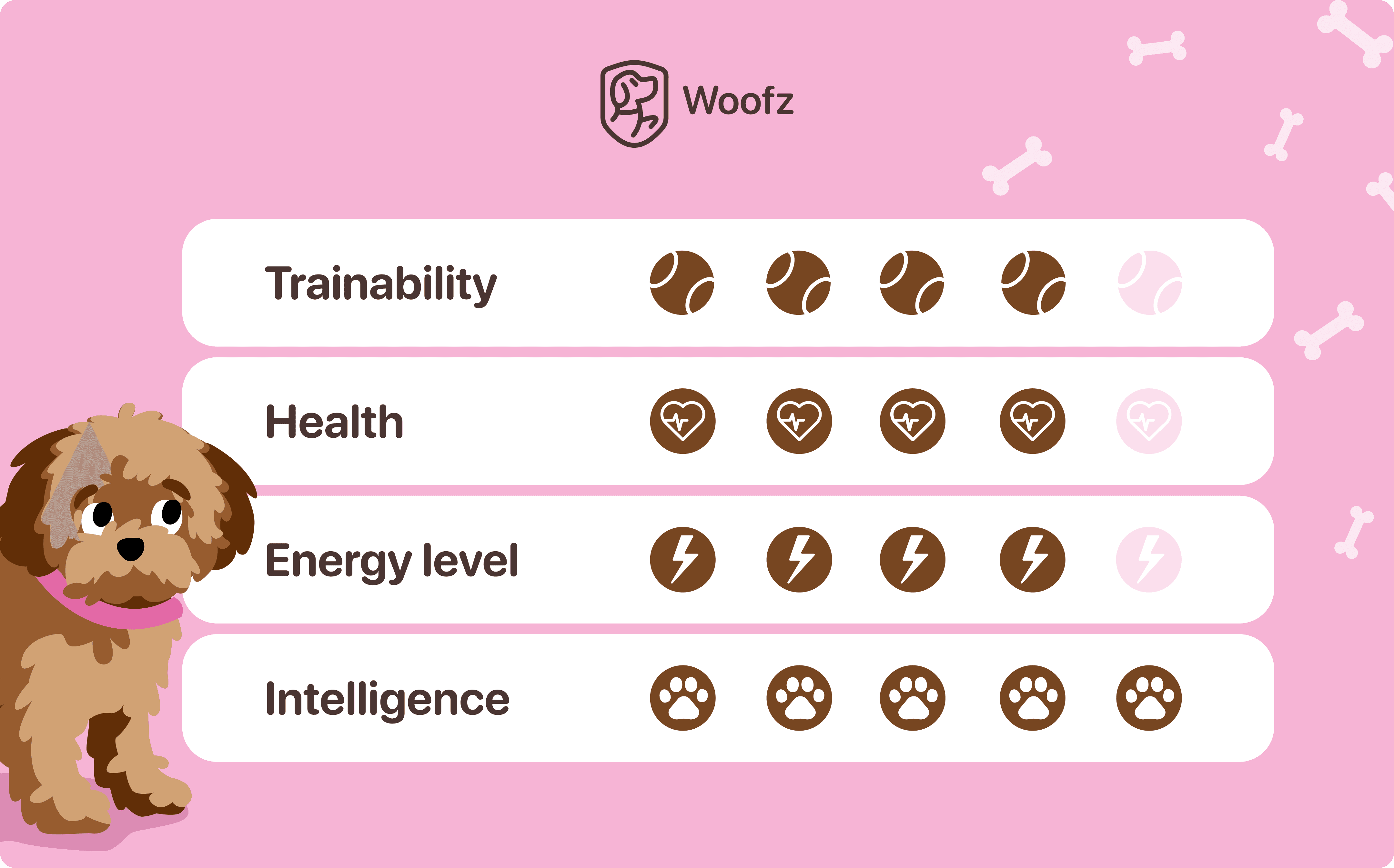
What to Know About Maltipoos
Maltipoos aren't an AKC-recognized breed! Part Maltese, part Poodle, they’re known for their soft curls, expressive eyes, and big hearts. They often feel like little shadows, following their people from room to room. That closeness is part of what makes training a Maltipoo both rewarding and occasionally tricky.
They want to do well. They just don’t want to be rushed, yelled at, or left out.
With gentle guidance, clear boundaries, and realistic expectations, training your Maltipoo becomes less about control and more about connection.

Before training begins, it helps to understand the breed as a whole. Knowing why your dog behaves a certain way makes learning feel less frustrating and far more effective. While individual dogs will vary in temperament and personality, most Maltipoos share some common traits that shape how they learn and behave.
Maltipoo Breed Overview
Maltipoos are known to easily adjust to apartment living or houses, and they’re often favored city dogs. They do best with interaction, structure, and a sense of security.
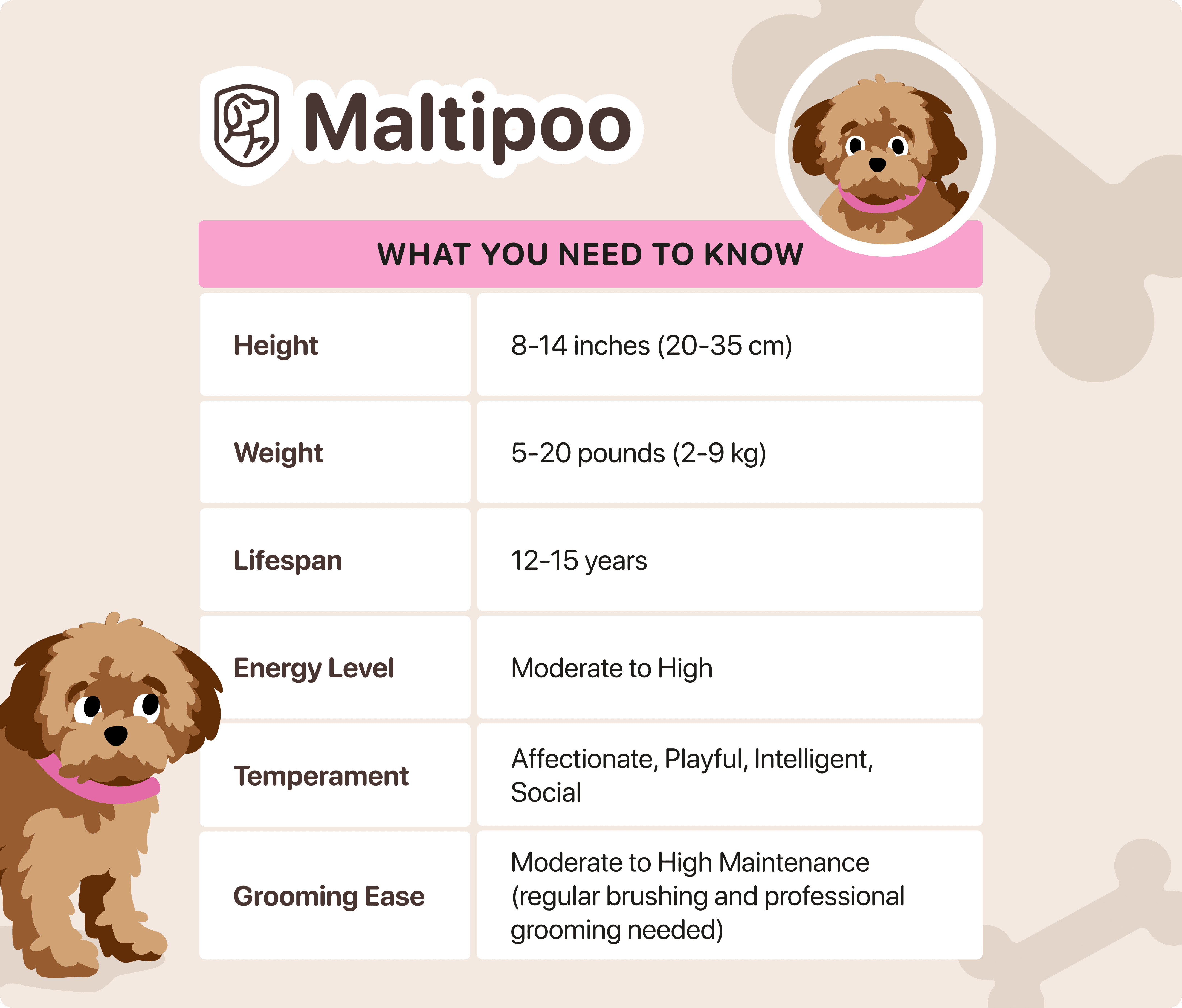
Maltipoos aren't an AKC-registered breed, so this information can vary!
Activity level
They’re low-to-moderate energy dogs, not dogs who have endless zoomies. They’re active but don’t require vigorous exercise. A combination of walks, play, and short training creates a balanced schedule and content.
With insufficient exercise, they might create their own fun and games – in ways you won’t necessarily appreciate, such as barking or chewing.
Temperament
Temperament is where Maltipoos shine. They’re loving, clever, and very close to their loved ones. That may make them quick learners. They do best with kindness, structure, and praise. Think guidance, not pressure.
Are Maltipoos Easy to Train?
Yes, Maltipoos are easy to train, especially when training starts early and stays positive.
They’re bright, human-oriented dogs and keen on praise. They are, however, likely to become bored, anxious, or willful if they find training tiring or emotionally uncomfortable.

Dog-training experts recommend short lessons (5–10 minutes) as Maltipoos get easily distracted if the sessions become longer. The lighter and more positive you keep that training, the faster they learn and the happier they are.
Training should feel rewarding, playful, and clear to your dog.

How to Train a Maltipoo
To understand how to train a Maltipoo, it helps to look at common behavior traits and address them with empathy instead of frustration.
Overexcitement
Maltipoos are enthusiastic little dogs who greet everything and everyone with pure joy. But all that excitement can lead to jumping, mouthing, and trouble settling down. You'll see this most when you get home, when guests arrive, or right before walks and meals.
What helps: Pause the interaction. Reward calm behavior. Teach a simple “Sit” before greetings. Calm earns attention. Check out our guide on stopping your dog from jumping up.
Separation anxiety
Maltipoos bond deeply with their families, which makes separation anxiety pretty common. When left alone, they might bark excessively, chew things up, or have accidents in the house.
What helps: Practice short absences. Keep departures calm. Avoid dramatic goodbyes. Gradually increase alone time, so your dog learns that you always come back. Crate training can give your Maltipoo a safe space where they feel secure. If the anxiety is severe, talk to a veterinary behaviorist.

Demand barking
Smart dogs learn quickly what gets them what they want. Demand barking, that is, barking for attention, food, or play, happens when you accidentally reward it. Every time you give in to their barking, you're teaching them it works.
What helps: Don’t reward barking. Wait for silence, then respond. Teaching an alternative behavior, like sitting quietly, works wonders. Our guide on ways to stop dog barking has more tips. Also, make sure to meet their needs before the demand barking starts! Feed, potty trips, physical/mental exercise, and sufficient sleep.
Nipping and biting (especially puppies)
All puppies nip during play and when teething; it's normal. But those sharp puppy teeth hurt, and without training, nipping can become a habit that continues into adulthood.
What helps: Redirect to toys. Stop playing when nipping happens. Puppies learn bite control through consistency, not punishment. Our article on stopping a puppy from biting has more techniques.
Stubbornness
Maltipoos usually want to please you, but they also inherited some independence from their Poodle side. This might look like selective hearing when something more interesting is happening, or flat-out refusing commands they know. Remember, what looks like stubbornness is typically just a lack of motivation to do the behavior or confusion about what's being asked.
What helps: Switch things up. Use variety, treats, toys, and praise. Maltipoos learn best when training feels like a game. Make sure everyone in your family uses the same commands and rules. Become sure that behaviors have been "generalized," meaning they're taught in different contexts and in different places.
Aggression
Real aggression is rare in Maltipoos since they're bred to be companions. But any dog can develop aggressive behaviors if they feel threatened, scared, or haven’t been properly socialized. You might see growling, snapping, or biting.
What helps: Early exposure to people, places, and other dogs builds confidence. Calm, controlled introductions matter. Remember, small dogs need the same careful training as big dogs: being little doesn't make aggressive behavior okay.
How Much Exercise Does a Maltipoo Need?
Most Maltipoos do well with 30–60 minutes of daily activity, split into walks, play, and mental stimulation.
This breed benefits just as much from brain work as physical movement. Puzzle toys, learning new commands, and short training sessions reduce boredom and unwanted behaviors.
Using a harness instead of a collar is recommended, as Maltipoos can have delicate tracheas.
Wrap-Up
Maltipoos aren’t difficult dogs. They’re generally sensitive souls who learn best when they are in an environment that is safe, they feel understood, and have a sense of belonging.
So long as you’re patient, consistent, and kind, training a Maltipoo is less about correcting bad behavior and more about building trust. And that trust is what makes a genuinely happy, balanced companion.